
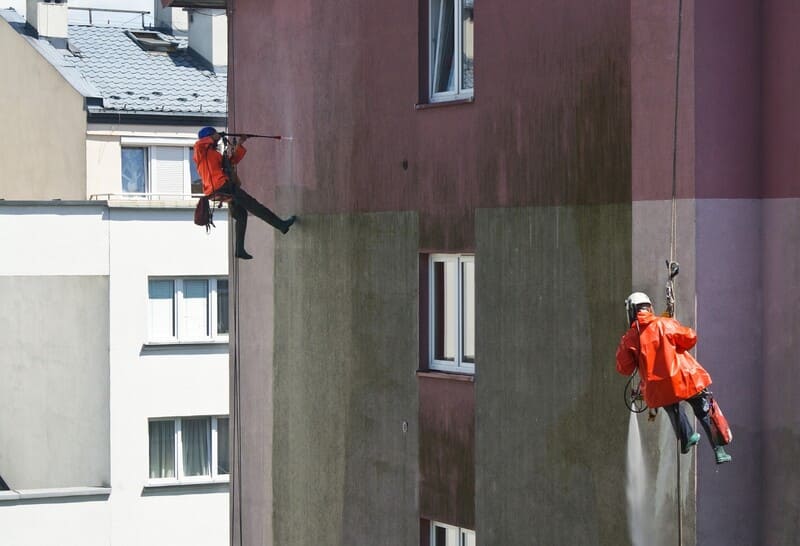
Working at Heights Training is important for all employees who perform tasks in elevated environments where a fall could very easily lead to significant injury or death. While theory can explain the rules and procedures involved, working safely at height also depends on practical competence. Employees need to know how to inspect equipment, fit a harness correctly, identify hazards and respond appropriately whenever something goes wrong.
At EMCARE, we place strong emphasis on practical safety training because elevated work is physical by nature. A learner may understand a process in theory, but performing the practical task is another thing entirely. With the right practical instruction, it helps bridge that gap by giving learners the chance to apply what they have learned in a controlled environment, where mistakes will not lead to significant injury or death.
In this article, we take a closer look at the importance of practical training. We will also cover what EMCARE’s Working at Heights Training courses offer.
Working At Heights Training: Why Practical Skills Matter
Working in elevated environments usually involves a series of small decisions that can have major consequences. Before starting a task, workers may need to first assess the environment, inspect equipment, choose a suitable access method, and make sure fall-protection measures are in place.
These decisions become much easier when employees have practised them during training. For example, a worker might know that a hardness needs to be inspected before use, but the actual practical training will help them understand what signs of wear or damage to look for. The same thing applies to lanyards, connectors, and anchor points. A learner can be shown how different pieces of equipment should function together and what can happen if one part of the system is used incorrectly.
Practical training also helps workers build familiarity with the equipment they may use every day. This level of familiarity naturally improves confidence and helps employees recognise when something does not look or feel right before they begin work. This may be the difference between acute injury and a safe environment.
Learning To Use Fall Protection Equipment Correctly
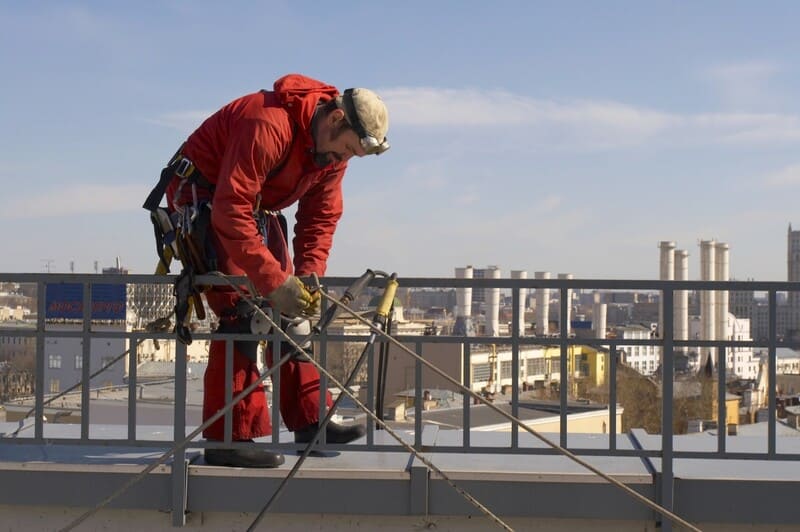
One of the most important parts of Working at Heights Training is learning to use fall protection equipment correctly. Fall-protection equipment is only effective if it is selected, fitted, and used. During practical Working at Heights Training, learners can become more familiar with equipment such as harnesses, lanyards, connectors, and other fall-arrest components. They can learn how equipment should be fitted, how it should be inspected before use and how it should be stored and maintained.
Understanding anchor points is just as important. Workers must recognise that not every convenient structure is going to be suitable for anchoring fall-protection equipment. Practical training helps learners understand the importance of using approved systems and following the correct procedures before beginning elevated work. The end goal is to make sure that workers leave the course with a clearer understanding of how the components interact and how improper usage can create additional risk instead of reducing it.
Practical Training Helps Workers Recognise Hazards
Another extremely important part of Working at Heights Training is Hazard Identification, and practical training can make a major difference. Working at height can expose employees to risks like open edges, unstable surfaces, unprotected openings, damaged scaffolding, slippery conditions, and poorly positioned ladders. Weather, falling objects and unsafe access can quickly lead to additional hazards popping up.
While a list of hazards can of course provide useful information, it is the practical exercises that help learners develop the habit of actively looking for risks before they begin a task. Every workplace is different, so this is particularly important. Employees will have to assess the specific environment in front of them instead of relying entirely on experience.
Practical training also helps prevent complacency. Workers who perform the same task regularly may become comfortable with the environment and begin overlooking hazards. Structured training reminds them to assess conditions each time rather than assuming a task they are familiar with is automatically safe.

Preparing Workers For Falls And Emergencies
Working at Heights Training also covers the procedures for what should happen if an incident occurs.
A fall-arrest system may stop a worker from hitting the ground, but the emergency is not over until the fall has been stopped. A worker suspended in a harness is still at risk, including for suspension trauma, and needs to be recovered as quickly and as safely as possible.
We can see why emergency procedures and rescue planning are incredibly important parts of working at heights safety. Workers must know when to raise the alarm, communicate during an incident and avoid creating additional hazards while trying to rescue someone else. Rescue procedures should never be improvised, especially in environments where the rescuer could also be exposed to the fall. Practical training helps learners understand how to prevent falls, arrest falls, and respond after a fall has occurred.
EMCARE’s Practical Working At Heights Training Options
At EMCARE, we have a broad range of Working at Heights Training options so individuals and employers can choose the training that best matches the responsibilities of the role. Our Basic Working at Heights Course provides foundational training for employees who perform elevated work. The course focuses on hazard awareness, safe procedures, and the proper use of the right equipment.
For those seeking more advanced skills, we also offer Fall Arrest and Basic Rescue training. This programme expands on fall-arrest knowledge while introducing basic rescue procedures for situations where a person may need to be recovered from height.
Additionally, we offer a Fall Protection Plan Developer Course for people involved in planning and managing work at height. This is especially relevant for people responsible for identifying risks, developing the right procedures, and making sure that the correct protection measures are in place before the work begins. Other courses include our Scaffolding Inspector Training and Portable Ladder Training.
Complete Working At Heights Training With EMCARE
At EMCARE, we offer practical Working at Heights Training for employees, supervisors, and businesses across a variety of different industries. Our options include Working at Heights, Fall Arrest and Basic Rescue, Fall Protection Plan Developer, Scaffolding Inspector and Portable Ladder Training. Contact us to learn more about our training options and choose the course that best matches your responsibilities.