First aid emergencies that happen in the workplace don’t always occur in a dramatic or obvious fashion. Sometimes, they simply start with something as normal as a colleague choking on their lunch, or fainting during a meeting, cutting themselves while handling stock or machinery, burning their hands, or collapsing during an ordinary workday.
In these moments, the first few minutes can be overwhelming. Other people might panic, freeze, crowd the injured party, or wait for someone else in the office to take charge. And while professional emergency services play their vital role, they’re not always there the moment something goes awry. It’s in this immediate gap in time where basic first aid knowledge can make all the difference.
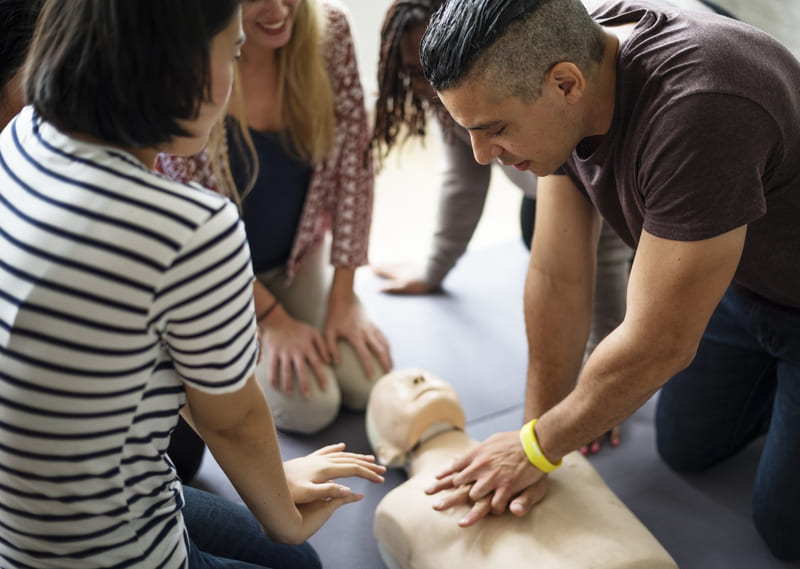
A proper first aid course can help employees respond calmly, safely, and practically when someone else needs help. It teaches individuals how to safely assess a situation, call for assistance, provide basic care, and support injured or ill people until further help arrives on scene. And in South African workplaces, first aid training should never be seen as only a compliance requirement, when in actual fact, it is a practical investment in people, safety and everyday preparedness.
Emergencies Usually Happen Before Professional Help Arrives
When a person incurs an injury or becomes sick at work, there�s most often a gap between the moment the incident occurs and the moment when professional help arrives on the scene. During this time gap, the people closest to the injured party are usually the first to notice that something has gone wrong, and their response can help keep the situation calm, safe, and controlled.
But without training, most employees might not be sure what to do. Most people panic, others tend to take a step back, and some might even attempt to help in ways that won’t be safe or effective. Even the simplest of steps, like checking whether the area is safe, calling for help, keeping the injured person still, and knowing when not to move them, can be a challenge to remember when under pressure.
And this is one of the core reasons that a first aid course is so valuable. It gives people a basic framework to adhere to when stress levels spike. Rather than dangerously guessing, trained employees are more likely to safely assess, alert the right people, and provide appropriate first aid training within their completed levels of training.
That being said, first aid should not replace professional medical care. It’s there to support by helping stabilise a situation, reduce any further risk, and ensure that the injured or sick person is taken care of while awaiting emergency response or further medical assistance.

A First Aid Course Helps Build Calm & Practical Confidence
In any emergency, confidence matters, not reckless confidence, but the kind of confidence that helps a responder remain calm, think clearly, and take practical steps when other people feel unsure.
Completing a first aid course gives an employee a better understanding of how to respond to the common workplace incidents that occur on a daily basis in South African workplaces. These incidents include managing minor wounds, bleeding, burns, fractures, choking, fainting, or sudden and dramatic illness. It also helps individuals understand the importance of safely checking the scene first, protecting themselves from risk, and calling for the right help as swiftly as possible.
First aid training is especially useful as emergencies tend to create confusion. Most people don’t actually know whether they should move someone or not, whether to give them water, whether they should apply pressure to a wound, or whether they should simply wait until a manager or EMS arrives before taking action. First aid training actually gives them clear processes to follow when emergencies happen.
When your employees understand the basics, they will respond with purpose, clarity and confidence. They’ll be able to communicate clearly, support the person in need safely, and prevent the situation from becoming even more unsafe or stressful.
Why Does First Aid Matter Across Different Workplaces?
First aid courses are not only useful or vital in high-risk industries. Yes, construction sites, factories, warehouses, and workshops do face more obvious physical hazards, but emergencies can and will happen in almost any workplace.
For example, in an office, someone could faint, fall, choke, or suddenly experience chest pain. In retail, customers or employees could slip, cut themselves, or suddenly become ill on the shop floor. As for schools and childcare environments, staff might need to respond quickly to injuries, allergic reactions, choking, or accidents on the playground. Wherever you find people, there will always be the possibility of sudden injury, illness or an unexpected emergency. By training your employees, you can create a safer space for your staff, customers, visitors and contractors.
First Aid Course Training At EMCARE
At EMCARE, we offer a range of first aid courses that are designed to help people and businesses build up practical emergency response skills. Whether you own a business that requires entry-level training, refresher training, or advanced first aid training, at EMCARE, we provide courses that are suited to all levels of responsibility and workplace risk.
We have emergency and medical training options that include Basic First Aid/ First Aid Refresher, First Aid Level I, First Aid Level 2, First Aid Level 3 and CPR and AED training. These courses help participants learn how to understand how to respond to common workplace emergencies, manage injuries safely, follow emergency procedures, and provide safe and appropriate first aid support until help arrives.
For any business, first aid training is especially valuable in fostering safer and more prepared teams, but it won’t turn your employees into medical professionals; however, it will give them the confidence and basic knowledge to act safely, calmly, and responsibly when a person needs help. To find the right first aid course for your office, simply visit the EMCARE website to look at our available training options, course details and to sign up for a course that suits your needs.