If you’re in a personal or professional position where you have to look after young children or elderly people, you should strongly consider first aid training. These individuals are particularly vulnerable to medical emergencies for a variety of reasons associated with their physical and mental frailty, making it very important to have capable and trained individuals looking after them.
First Aid Training For Educators And Caregivers: Who Exactly Falls Under This Category?
The broad term of ‘caregiver and educator’ covers a variety of roles, but we’ll help narrow it down. In this context, we’re talking about any individual who directly looks after young or elderly people. It can be in a professional setting, such as a teacher, nurse or attendant at an old age home.
However, it could just as easily be outside of a professional setting, too. The easiest example to conjure up would be parents, who are almost always near children. Many people across the world are also responsible for looking after their elderly relatives, putting them in this category too. In each of these scenarios, the caregiver and educator are in a way responsible for the health and safety of someone prone to injury or accident, while also being unable to effectively help themselves. That puts a significant weight on the shoulders of the caregiver, making a first aid course a very valuable asset to have for them.
First Aid Training For Educators And Caregivers: What Does First Aid Training Encompass?
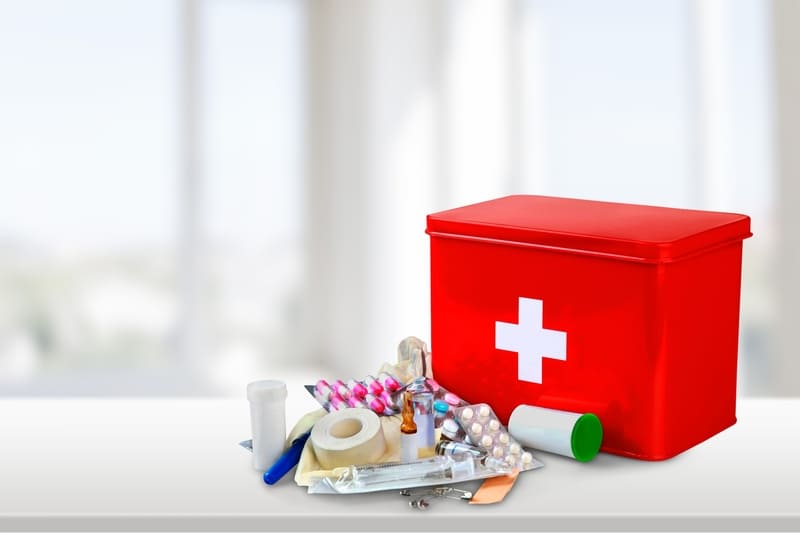
First aid courses are designed to help ordinary people stabilise an injured or ill patient before professional medical services arrive. It is not your responsibility to complete their entire treatment, but you may be surprised to find out just how critical those early moments before paramedics arrive may be.
Throughout the course of your training, you’ll learn to staunch heavy bleeding, handle trauma, perform CPR, identify the signs of a stroke and more. More than simply responding to crises, you’ll be taught how to see the signs of oncoming emergencies by reading both people and the environment, escalating medical scenarios before they become outright disasters.
It’s also about fostering a particular mindset; slowing down a crisis scenario and embracing calm, before breaking down the individual details and approaching the situation with methodical calm. This way of thinking helps you to deal effectively with a medical emergency, but also carries over to other aspects of life, improving overall confidence and self-assuredness.
First Aid Training For Educators And Caregivers: Parents And Children
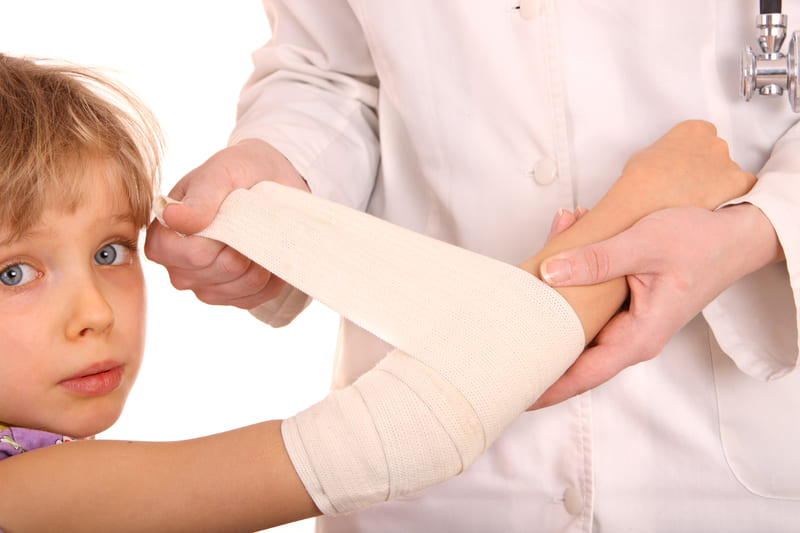
Parents are some of those set to benefit the most from first aid training. Children, especially young children, are very curious and lack spatial awareness, as well as knowledge of threats. This makes them far more likely than the average person to be the victim of cuts, burns, falls or poisoning.
Due to the large amount of time children spend at home, they are statistically likely to encounter these emergencies when near their parents. If you, as a parent, are trained in first aid, you’ll be able to act fast and decisively, helping your child when they need it most. It’s a good idea for parents to take the time to learn child-specific first aid skills, as techniques for handling scenarios such as CPR and choking will differ when the recipient is a child.
First Aid Training For Educators And Caregivers: Teachers And Children
Teachers in South Africa don’t just benefit from first aid training; they are legally required to have it. This makes total sense. Everything we established about children, curiosity, lack of spatial awareness, lack of threat awareness, remains applicable but is multiplied by several dozen.
Moreover, a teacher is unlikely to know the attitudes and habits of any given child intimately, reducing the chance that they’re able to predict the kinds of threats that child may face. For example, a parent may know that their child struggles with stairs and thus works to reduce exposure to long staircases, while a teacher would remain ignorant without explicit warning or unfortunate demonstration. Rather than simply hoping for the best, every teacher should be prepared to deal with a medical emergency in their class immediately, with numbers for professional medical services memorised or on speed dial.
First Aid Training For Educators And Caregivers: The Elderly
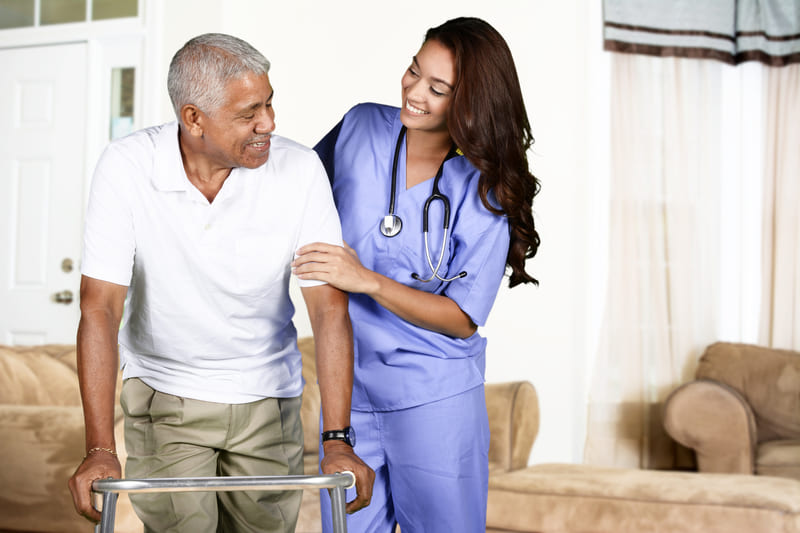
The elderly represent a particularly vulnerable subset of society, with frail bodies more prone to injury and often also ageing minds that put them at greater risk. As the caretaker of an elderly person, whether that be in a personal or professional capacity, you would be well advantaged by having first aid training. Serious medical emergencies such as cardiac arrest and strokes are particularly common in the elderly, which require immediate specialised medical attention.
Moreover, even smaller medical events that a young person would be able to shrug off, like a fall, could spell disaster for an elderly individual with more fragile bones and weaker muscles. Having first aid training carries with it another benefit when it comes to looking after the elderly; it allows you to identify risks in the environment and in people, allowing you to act in a preventative fashion rather than a pure reactive one.
Conclusion
As a caretaker or educator for the very young or very old, a first aid course will do you very well. These demographics possess the unfortunate combination of being more physically vulnerable to injury and illness, while also being more prone to encountering accidents and being unable to assist themselves. The responsibility to administer initial aid before medical professionals arrive falls to you as caretaker, making medical training a must. EMCARE provides a range of first responder courses, including a first aid course.