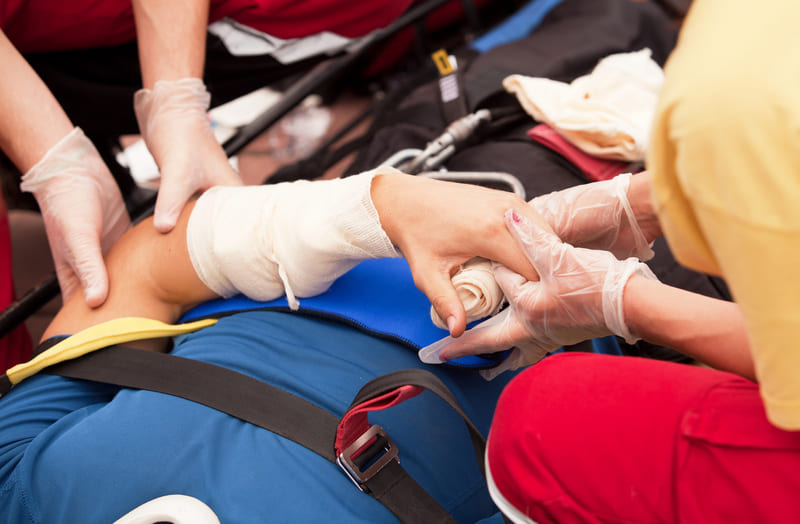
A first aid course is something that we could all benefit from, but it’s unrealistic to assume that every single person will undergo the training. However, in this article, we highlight the kinds of people who are set to particularly benefit from first aid training, considering their unique situations and desires. Read from these five examples below, and if you feel that even one of them describes you, contact EMCARE to find out more about how you can become first aid ready at an affordable rate.
Do A First Aid Training Course If: You Live With Vulnerable House Mates
While imagination might conjure emergency scenarios happening in the wake of a plane crash, in a burning building or during a natural disaster, the reality is more mundane but certainly still very serious. Because we spend most of our time at home, that’s where medical emergencies are most likely to occur. As a result, victims/patients are usually surrounded by family, close friends or housemates when disaster strikes, relying on them for support. This can happen to anyone, but is more likely to befall the elderly, very young, or those with health issues. If you want to be the one to help your loved ones at home, taking a first aid course might just be the best way to do so. You’ll be able to administer potentially life-saving care before professional medical services arrive on the scene, stabilising the patient until then.
Do A First Aid Course if you work in a high-risk industry
There are many jobs across a range of industries where threat is commonplace and a regular variable to contend with throughout every working day. Obvious examples come up, such as mining, logging, construction and adventure tourism, but there are a few industries that may surprise you with their overall danger levels, such as the hospitality and film industries. In these cases, it’s not just helpful to have a first aid course, it may be legally necessary for you to do so. Health and safety laws, especially those related to the workplace, are becoming universally stricter and firmly enforced.
Many employers across high-risk industries are thus required by law to ensure their workforce is first aid trained in the case of a medical emergency. Plus, we have it on good authority that it helps you to make friends at work if they know you’re professionally trained to help save their lives if a crisis should occur.
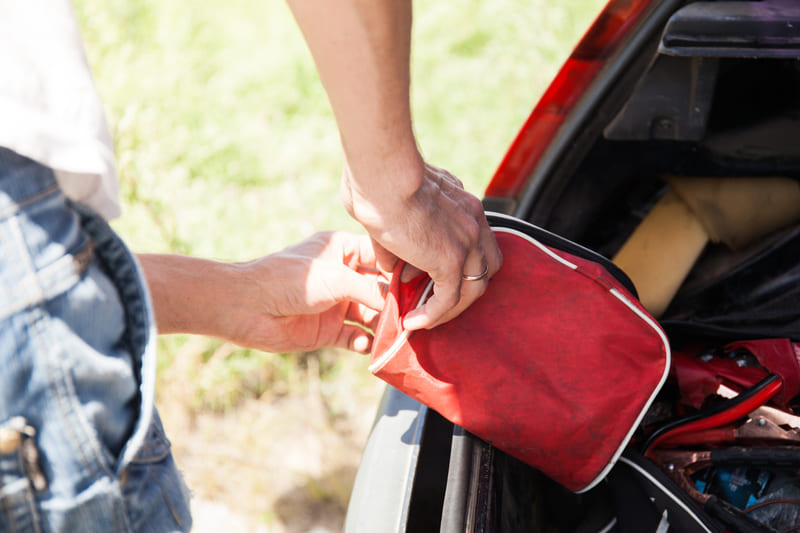
Do A First Aid Course If: You Want More Job Opportunities
A first aid course isn’t just something you need once employed in certain industries; it’s something that can help you get employed in the first place. There’s basically no kind of CV that doesn’t benefit from first aid certification. A high-risk industry will see that as a sign that you are ready for a more challenging environment and also appreciate the advantage that they need not facilitate your training themselves.
Although even low-risk industries will see it as bonus points in your favour, from their perspective, having a trained first aid responder could still come in handy in the unlikely event of a medical emergency. At the very least, it shows potential employers that you take initiative, operate well under high-stress situations and care for the well-being of those around you.
Do A First Aid Course If: You Travel Frequently
Travel is one of life’s greatest pleasures, yet it’s not without certain risks, too. A frequent traveller is exposed to more high-risk scenarios in unfamiliar places but also comes into contact with large numbers of people. By mere statistics, that makes them more likely to encounter, and befall, a medical emergency. If you’re travelling alone, having completed a first aid course makes you more ready to respond to crisis situations and helps reduce travel anxiety by assuring you that you’re ready for the worst-case scenario should it occur. If you often travel in a group, such as with friends or family, having a first aid course makes you a valuable member of the party, allowing everyone to adventure more boldly with less anxiety around the threat of medical emergencies.
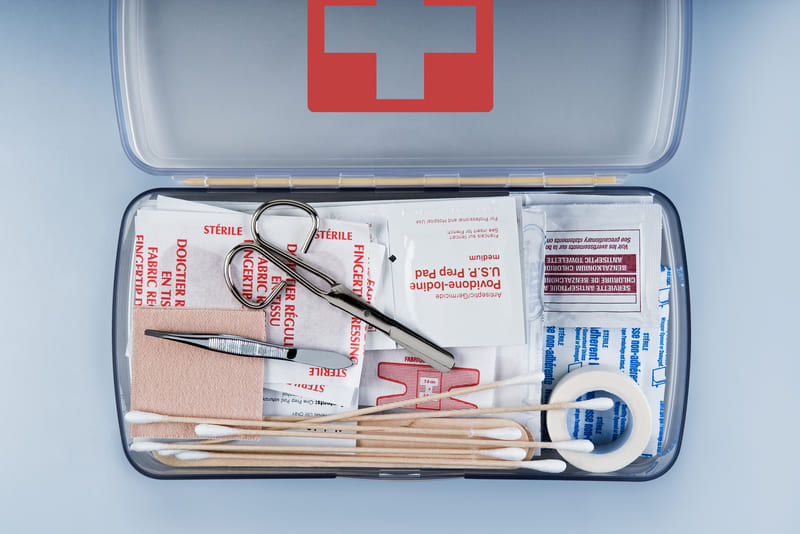
Do A First Aid Course If: You Want To Feel More Confident
First aid training is about a lot more than just a set of physical skills. The training instils in all its participants an attitude of self-assuredness and calm, slowing down a crisis scenario and approaching the problem with methodical precision. This is essential for dealing with threats like severe bleeding, trauma and cardiac arrest, but it transforms over to many other parts of life too.
Those who are trained in first aid report feeling more confident in their everyday lives, able to navigate personal, professional and interpersonal matters with more confidence and clarity. Emergency preparedness is one of the easiest ways for you to grow your self-assuredness, while gaining significant material benefits too. You may very well even find that added confidence spilling over to those close to you, multiplying the benefit.
Conclusion
While everyone could benefit from a first aid course, there are those who find it particularly useful. Because medical emergencies happen most commonly in the home, being first aid trained around vulnerable family members makes you a very valuable housemate. In high-risk industries like mining and logging, it’s not just useful, it may very well be a legal requirement.
If you’re looking for work, first aid certification may be just what your CV needs to stand out to recruiters. Frequent travellers who find that they and their travel partners end up more regularly in risk environments are advised to get first aid training for safety and peace of mind.
Finally, if you’re looking for an easy way to add to your overall confidence in all aspects of life, first aid training is the way to go. Reach out to EMCARE to facilitate the start of your emergency response training.