
Working at heights training is a phrase you hear on almost every industrial site, but, contrary to popular thinking, many people use the phrase synonymously with fall protection, and at EMCARE we want to show you why that habit is so dangerous. The first step to a safer workplace is knowing that working at heights training and fall protection are not the same thing. In this article, we look at why heights training is not fall protection, how the two terms relate, and what you can do about it.
Working at heights is any activity where a person could fall to a lower level and be injured. Working at heights training is not just working on roofs and towers. Working at heights covers anything from climbing into a truck bed to using a ladder to change a light bulb to working alongside an open edge. When we teach working at heights, we put out this almost overbroad definition first because it is a new perspective on regular tasks.
What Fall Protection Actually Covers
Working at heights and fall protection are separate things: Working at heights training is what you are doing. Fall protection is how you respond to working at heights: you cannot work at heights without using fall protection. Working at heights is hazardous and calls for fall protection; fall protection on its own might be beneficial, but it does not make working at heights safe. Working at heights is the hazard; fall protection is the control.
It is easy to see how people get confused about working at heights; a lack of clarity about the terms used can stop a person from calling it what it is. So many people think that when you are talking about working at heights, you’re talking about fall protection (as many adverts, toolbox talks and general notices on site seem to use the two terms interchangeably, rather than treating them as distinct).
A worker may claim that they have done a working at heights training course, so they now know all about harnesses, when in fact the course covered only one part. In the same way, a supervisor might spend a few dollars on new harnesses, then call the site safe. Equipment alone does not make working at heights safe; equipment must be selected, inspected, correctly fitted, and used properly. All those elements require planning; if you mix up your terms, then you create gaps in working at heights planning, and it is in those gaps that injuries occur.
The Legal Duty Around Working At Heights
In South Africa, the Occupational Health and Safety Act places a responsibility on employers to provide a safe working environment, and the Construction Regulations specify requirements for fall protection wherever persons are exposed to falling. As with any work, work at any height must be planned, in the form of a written fall protection plan developed by a competent person. The plan must include the reasons for working at height, identify hazards, specify the fall protection measures to be used, and describe a means of rescue.
How Planning Connects Working at heights training And Fall Protection
The hierarchy of control is the most relevant framework when considering working at heights and fall protection. The initial factor to consider is whether it is even necessary to work at heights for the task that is being undertaken. If it helps to work at heights, there are even further considerations before fall protection equipment, which is an active form of fall prevention, becomes appropriate. If working at heights is essential, the evaluation must determine whether it is possible to adopt any of the three passive systems of fall prevention (like guardrails or fixed working platforms).
Finally, once all the non-active fall prevention systems have been exhausted (fall protection is an active system, which involves a fall arrest device), an active system can be used together with a fall arrest system such as a harness and lanyard.
Once the planning for working at heights training is complete, it is time to find equipment, and this is where the practical difference occurs. A full-body harness cannot be of use if it does not fit appropriately and if it is not attached to an anchor point that can support the load. A lanyard cannot be used if it exceeds the space below a worker. Guardrails and edge protection must be capable of supporting four times the weight of the person falling.
Why Training Matters Before You Start Working At Heights
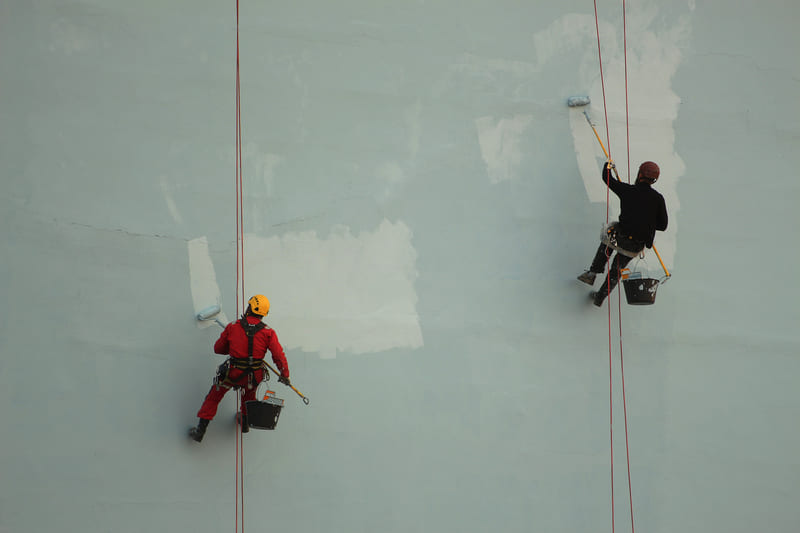
Training and working at heights training turn theory into muscle memory. You need to know how to identify hazards, choose and inspect the right equipment, establish anchor points, and rescue plans, and when to get down before you get up. Good working-at-heights practices mean asking questions as you approach a task: who is the competent person, what is the rescue plan, and when was the equipment last inspected? Workers certified in this area will question shortcuts, contributing to a safety culture that protects all. Training also teaches you that fall protection is a skill best honed.
Too many teams think that if they stop a fall, they have ended the emergency. Leaving a person hanging in a harness for even a few minutes can bring suspension trauma, which is life-threatening. That is why every height work plan must include a rescue strategy that is both practical and ready, and people who know how to carry it out.
Practical Steps For Safer Working At Heights
Preventing accidents today is easier than you think. Always walk and visually inspect your site, record all escape routes and locations for potential fall impacts, and record all hazards. Always pre-inspect harnesses, lanyards, and anchors. Never leave anyone working alone; they need the quickest response possible. Tie off tools and barricade the ground below operations.
Be mindful of weather conditions; windy and rainy days increase injury likelihood. Always make sure to document your working at heights training lessons learned. Everyone has a part to play. Employers should plan for working at heights, provide equipment and arrange training. Supervisors should ensure work follows the plan. Workers should speak out if risks arise and refuse unsafe situations. Contractors at your premises should meet the same standards. When working at heights, everyone knows what they are responsible for.
Training Options With EMCARE
At EMCARE, we also provide a Working at heights training course that brings you the hands-on knowledge needed to plan and safely accomplish operations. You will learn about identifying risks, inspecting equipment reliably and responding to emergencies whilst working.
For a more comprehensive base, our Safety Officer Course includes the Safety Plus course package that takes in everything from first aid levels one to three to basic firefighting and legal liabilities and is designed to help your business meet regulatory tory compliance across the whole premises, including working at heights. Join us at EMCARE to ensure that every working-at-heights activity concludes with everyone going home safely.