Across our nation of South Africa, thousands of workplace injuries, medical emergencies, and unexpected incidents are reported per annum. Many of these cases take place in high-risk settings, including construction sites, warehouses, factory floors, and remote operational areas, where professional medical assistance might not be immediately available. It is during these crucial times that having trained first aiders is often the first line of defence.
And for this reason, first aid training plays a crucial role in keeping workplaces in South Africa safe. It gives employees the acumen and skills to stabilise casualties, manage their injuries, and provide essential care during the “golden minutes” before EMS arrives on the scene. For the employer, having a trained team isn’t only about compliance; it’s also about creating a proactive safety culture that minimises risk, reduces downtime, and protects both people and productivity.
In this EMCARE guide, we’re going to explore exactly why first aid training is so important in high-risk workplace environments, what our course levels offer, and how organisations can select the correct level of preparedness for their specific environment.
The Reality High-Risk Workplaces Face in South Africa
Here in South Africa, our working environments are notably diverse, with many sectors facing significantly higher risks than those of the traditional office setting. Many industries, such as construction, mining, logistics, manufacturing, agriculture, security, and energy, all expose workers to hazards that can lead to serious injuries if not managed safely, effectively, and quickly. Just some of the daily challenges found within these sectors include heavy machinery, moving vehicles, electrical systems, high temperatures, working at dangerous heights, and hazardous substances.
Compounding this risk is the reality that in many regions of our country, specifically in rural or remote areas, emergency medical services potentially take longer to reach the site of an incident. Any delay in response times makes the early minutes of an emergency that much more critical, especially in the case of casualties needing CPR, bleeding control, fracture stabilisation, or treatment for shock.
That’s why, in these high-risk and high-pressure situations, employees who have formal first aid training play such an essential role. They essentially act as the immediate responders, effectively bridging the gap between the moment of injury and the arrival of professional medical help.
It is their ability to assess, prioritise and intervene that can dramatically change the outcome of an emergency, reducing the severity of any injuries, and in several cases, ultimately save lives.
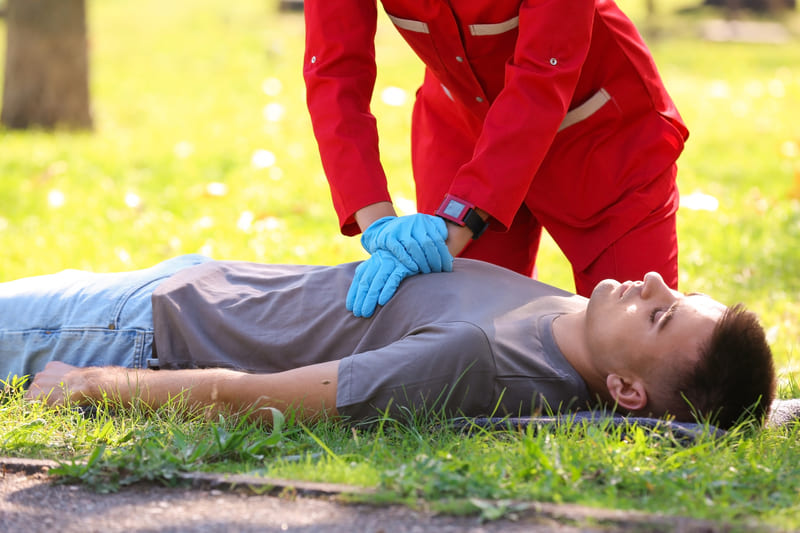
Why First Aid Training Can Save Lives Before EMS Arrives
When emergencies happen, the first few minutes are often the most crucial. These first minutes can determine whether a casualty is stabilised, deteriorates, or survives. Yes, emergency medical services do provide professional care, but they can’t always arrive on the scene immediately, especially in areas of high traffic, remote locations, or during peak hours. And this is where having trained first aiders can make a difference.
First aid training gives employees the ability to assess the scene, identify any life-threatening conditions, and take decisive actions. Skills such as administering CPR, stopping severe bleeding, assisting with choking victims, treating burns, and managing shock are skills that can drastically improve the outcomes long before EMS arrives on the scene.
On the other hand, and equally important, is the confidence that first aid training bolsters. Emergency scenarios are stressful, high-adrenaline situations, where anyone who is untrained might panic, hesitate, or perform potentially fatal, incorrect actions. A first aider who is confident can step up, communicate clearly, and guide others safely, making sure that the response is organised as opposed to chaotic.
By empowering employees with these skills, employers dramatically reduce the risk of complications, limit the severity of injuries, and create safer environments where workers can rest assured that they won’t be left helpless during a crisis.
What EMCARE’s First Aid Training Covers
At EMCARE, our first aid training courses are all designed to give students the practical competencies and confidence required to effectively manage real emergency situations in the workplace. Each of our courses builds upon the next, making sure that organisations can select the right training for their specific environment, risk profile, and operational requirements.
First Aid Level 1 – The Foundational Skills
The First Aid Level 1 course is commonly the essential starting point for most workplaces. It is a two-day course that focuses on the most common medical emergencies, like CPR, choking, bleeding control, shock management, and assessing a scene safely. Learners will also learn and practice placing patients in the recovery position and stabilising them until EMS arrives. FA1 is the perfect course for the low-risk workplace or any organisation implementing first aiders for the first time.
First Aid Level 2 – Intermediate Emergency Management
Building upon FA1, the First Aid Level 2 course expands in more detail into casualty assessments and more complex medical emergency scenarios. It’s a three-day course, and over these three days, participants will learn how to manage fractures, burns, soft-tissue injuries, environmental emergencies, and how to conduct secondary surveys. This level is ideal for warehouses, logistics operations, manufacturing sites, and other medium-risk environments where injuries could be more severe.
First Aid Level 3 – Advanced Response For High-Risk Sites
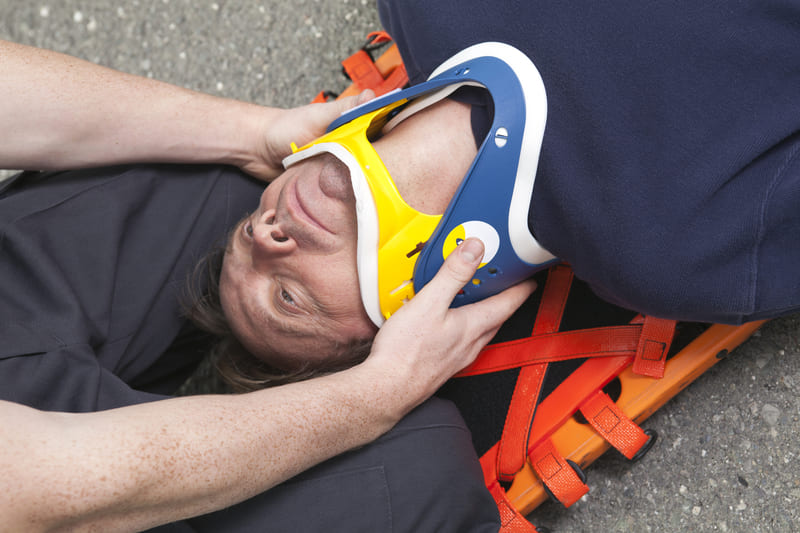
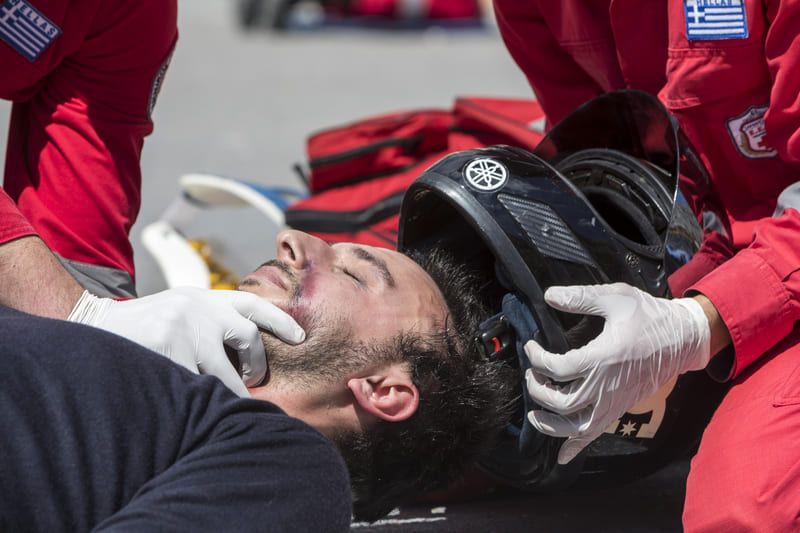
First Aid Level 3 provides participants with the highest level of workplace readiness and is ideal for teams that operate in hazardous or remote areas. It’s a four-day course and covers advanced patient assessment, spinal injury management, multi-casualty scenarios, and prolonged care techniques, which are crucial in locations where EMS response times might be delayed.
Ensuring A Safer, More Prepared Workplace
Formal first aid training is the strongest protection any workplace can have. It ensures that when emergencies do occur, your team is able to respond quickly, confidently, and safely. To equip your team with the practical skills, accredited training, and confidence, visit the EMCARE website today, and select the course level that best suits your workplace’s safety needs.