
Before enrolling in any fire fighting course, we know it is of vital importance for learners to understand how the training course will be structured and what it entails. As fire incidents escalate fast, this is why firefighting training focuses on both theory and practical application. At EMCARE, our firefighting courses have been developed to provide all cadets with a clear understanding of fire risks, appropriate response methodologies, and operational practices that are safe and effective during fire emergencies.
We do not solely focus on awareness, as our firefighting courses at EMCARE introduce candidates to all the essential fire theory concepts, and then we reinforce them via practical and supervised training exercises. Our courses are all taught in controlled, safe environments under supervision, making sure that our learners get the relevant knowledge while also adhering to safety standards.
The Theory Components Of A Fire Fighting Course At EMCARE
The theoretical components of any fire fighting course make up the foundation for all the practical training that comes after. Here at EMCARE, this learning phase has a core focus on helping our students gain a proper understanding of how fires break out, how they behave, and how they can be prevented and controlled safely.
Students are taught the core fire theory principles, which include all the elements required for combustion and the most common causes of workplace fires. A key focus of our theory section of the course is the classification of fires, as understanding the different classes of fire allows our learners to identify which firefighting methods and equipment will be appropriate in specific situations.
Now, it must be noted that this knowledge is crucial for preventing incorrect responses, for example, using the wrong kind of extinguisher on a specific kind of fire, which could actually increase the risk as opposed to reducing it.
Another core focus that is addressed during the theory phase is fire prevention. Our students are taught to recognise potential fire hazards within a workplace as well as understand the importance of good housekeeping, safely storing materials, and basic fire risk controls.
The Practical Components Of A Fire Fighting Course
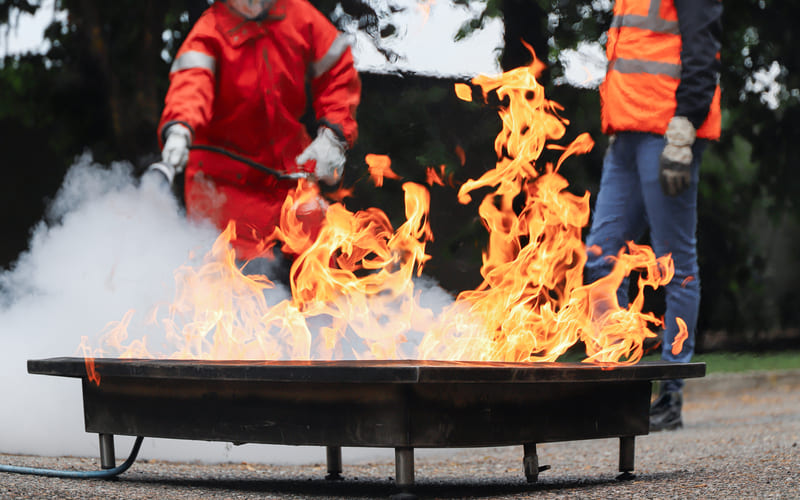
The practical components of a fire fighting course here at EMCARE are developed to apply the theory learnt in controlled training environments. During this phase of the course, our learners are taken through supervised practical exercises that demonstrate the correct firefighting techniques as well as the safe use of firefighting equipment. These practical exercises reinforce how the theory they have learned translates into action, all while maintaining the highest of safety controls.
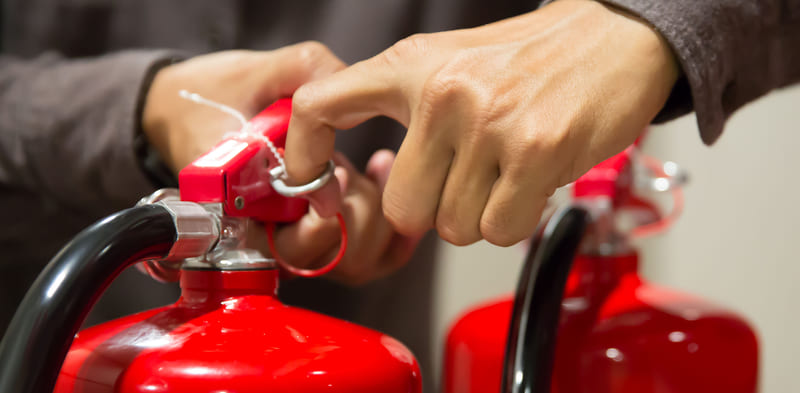
Our practical firefighting training also includes proper instructions on the proper handling and operation of fire extinguishers. Our learners are taught how to properly identify suitable extinguishing methods based on fire classification and how to safely apply them. The emphasis taught is placed on safe positioning, controlled application, and knowing when it’s appropriate to disengage and put a priority on evacuation.
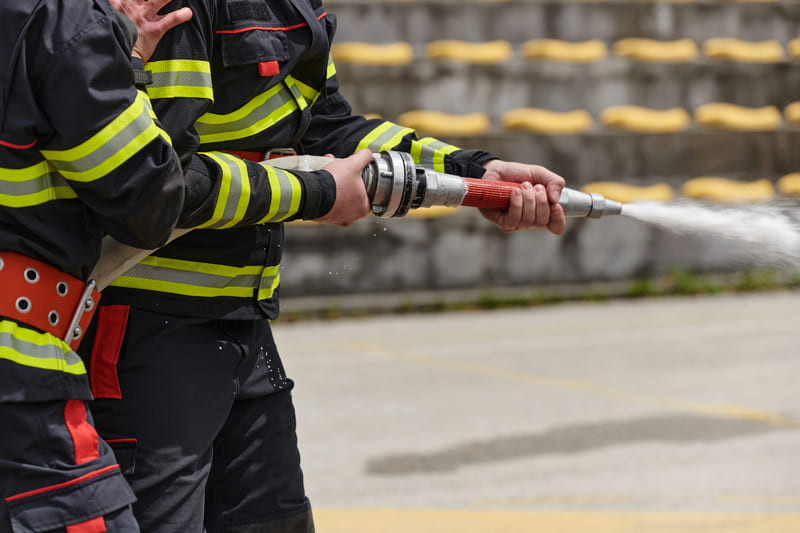
Our practical training also includes (where applicable) hose and hydrant operation as part of our more advanced fire fighting course levels, and throughout all our practical sessions, the main focus is on safe execution, adherence to procedures, and working under safe supervision. It is this structured approach that makes sure that our learners gain the hands-on exposure they need without any unnecessary risk, which further supports effective workplace readiness.
PPE (Personal Protective Equipment) In Fire Fighting Training
PPE or personal protective equipment plays a vital role in a fire fighting course, supporting safe participation during both demonstrations and practical training. Here at EMCARE, our learners are taught the purpose and proper use of PPE within the context of firefighting processes, ensuring that they have a proper understanding of how PPE reduces exposure to heat, smoke, and all other fire hazards.
During our training, an emphasis is placed on recognising the appropriate PPE for specific emergency situations and their limitations. Our learners are taught correct fitting, safe handling, and the importance of inspecting the equipment before using it.
We reinforce a safety-first approach by incorporating PPE awareness into our firefighting training, as our learners are taught that PPE is a vital support measure and not a substitute for sound decision-making, adherence to procedures, and identifying when evacuation is the safest option.
Progressive Learning Across EMCARE’s Fire Fighting Course Levels
Our firefighting courses here at EMCARE are all structured so that they support progressive learning, which allows our students to build up their knowledge base and practical skills over time. Our entry-level courses have a focus on foundational fire theory and basic response principles, while our more advanced courses introduce learners to advanced firefighting techniques and proper equipment use.
Our tiered approach is effective as it enables organisations and students to select fire-fighting training that essentially aligns with their workplace risk profile and preparedness requirements that come with that, while still maintaining consistency in safety standards.
Who This Type Of Fire Fighting Course Is Designed For
The firefighting courses that we offer at EMCARE have been designed for people who have a responsibility for fire safety within their respective place of work. This could include employees who are responsible for responding to early-stage fire emergencies, safety representatives who work in support of workplace compliance, and designated emergency response personnel.
That being said, firefighting courses are also ideal for people interested in pursuing roles related to fire safety or emergency readiness, where one needs to have a formal understanding of fire risk and response procedures.
Enrol With EMCARE Today
Organisations and individuals are able to make informed decisions about training by having a robust understanding of what firefighting courses entail. At EMCARE, our courses combine theoretical knowledge, practical instruction and supervised training to bolster effective workplace fire readiness. To view all our courses and to gain an understanding of which level of training best suits your needs, be sure to visit the EMCARE website today, and take the first step towards your firefighting career.