Travelling is a great way to meet new people and explore new places, creating lasting memories along the way. Travel can also bring unexpected accidents, illness and sudden injury, making first aid course knowledge essential. Taking a first aid course before setting out on your adventure can help prepare you for the unexpected events that often occur in unfamiliar environments. You will learn practical experience and knowledge, helping you stay calm during emergencies. If you plan a local trip inside South Africa or a journey abroad, set aside time to complete a first aid course. Arrive ready and travel with peace of mind.
Travel Often Brings Unseen Hazards
Travelling to new locations comes with its own new set of rules and local hazards. Depending on the climate, you might have to walk on slippery floors and climb the stairs of unfamiliar buildings. The food and culture might differ from home, exposing you to new bacteria, insects and other microorganisms. Now, travelling as we know it can be quite an adventure and very pleasant when properly prepared. A first aid course will cover the basic knowledge and practical training you will need to respond effectively in emergency situations.
Unfamiliar Roads And Transport Raise Risk
When travelling abroad, driving in a foreign city or riding a hired car comes with its very own hazards. The road surfaces, local driving habits and road rules can all influence your travel experience. Accidents often happen when drivers are tired or distracted from the road, sometimes leading to accidents. First aid training will help you recognise head injuries, shock and bleeding caused by car accidents. You will also learn how to stabilise the injured while managing bleeding until help arrives.
Holiday Illness And Sudden Medical Events
Food poisoning, holiday stress, jet lag and dehydration, we have all been there, and unfortunately, these events can occur during your travels. How you handle the events will make or break your experience. The body’s immune system is often compromised during travel. This is due to the sudden changes of environment, microorganisms, food bacteria, water sources or pure fatigue and should be managed with caution and vigilance. Travellers often fall ill after heavy walking or very long flights. A review of travel-related emergencies noted that many travellers suffer from illness abroad and often require professional care. Basic first aid can help someone struggling to breathe or help identify things like heatstroke.
Delays In Medical Access During Travel
Medical help can take hours to arrive in remote areas. In some regions, ambulance services are scarce, and even in urban areas, ambulances can be slow due to traffic. This is where your first aid course knowledge is invaluable. You will have the knowledge to do CPR and stabilise fractures, allowing you to take control in chaotic moments, helping loved ones until further help arrives. The delay can make a huge difference in the outcome.
What You Receive From A First Aid Kit Before You Leave
You will receive real skills that matter during travel, including life-saving skills. Our basic first aid and first aid refresher course covers CPR, bandaging, working with wounds and burns and head injuries. Your training will help you work effectively in a calm manner, and your confidence will help calm others around you. The course will help you identify serious injuries. Injuries that require professional intervention right away.
Advanced Training For Complex Emergencies
Our Level 1, Level 2 and Level 3 first aid courses are great for all travellers who are planning remote or adventure trips. These courses cover more than basic care. They teach management of multiple injuries, rescue carries, oxygen therapy, drowning emergencies and paediatric emergencies. If you travel with children or go off the beaten track, this training might help you handle unpredictable events.
Confidence For You And Those Travelling With You
Travel often involves groups or friends. It will benefit the group to have someone trained through a first aid course. This will increase safety for all significantly. When you respond calmly when someone gets hurt or becomes ill, it allows you to take control of a chaotic and dangerous situation. Other travellers may follow your lead, and your calm response might reduce their panic.
Lifelong Benefit From Training
Your training will benefit you long after your trip has ended. Once you have completed a first aid course, that knowledge stays with you, proving useful throughout your lifetime. Emergencies never wait for a convenient time, which is why having first aid knowledge will improve overall safety in everyday life.

What You Should Do Before You Travel
There are a few precautions travellers can take before their trips start. These tips will help you prepare for unforeseen and unpredictable events which may occur on your journey.
Register For First Aid Training With EMCARE
Visit our website online and book a basic first aid or Level 1,2, or 3 course depending on your specific travel plan. Plan ahead and allow for enough time to complete the course. You can practice your skills soon after training is completed.
Build A Simple Travel First Aid Kit
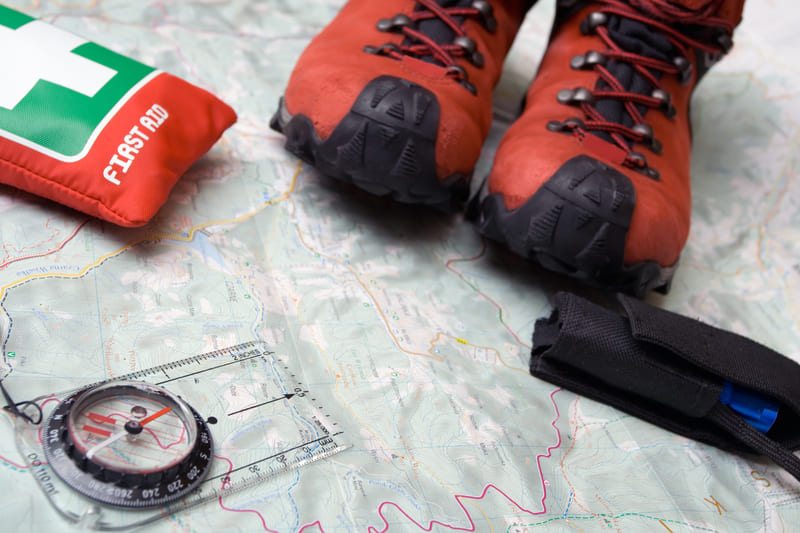
This may be the most valuable tip for any traveller. Assemble a first aid kit with essentials: bandages, antiseptic wipes, painkillers, and gloves. Your course knowledge will guide you in choosing and storing your kit. Adjust its contents to match your destination and environment.
Keep Contact Details And Medical Information Ready
Make sure to write down the emergency numbers of your destination. If you lose phone or internet signal, you’ll need a physical copy. You should include info on local hospitals and clinics. Keep a card on you with your blood group and allergies. All of this information will help first responders.
Make First Aid Part Of Your Travel Plan
You are in control of your travel plans, including the precautions for safety. A first aid course will equip you with all the basic knowledge you will need on your journey. Your practical skills can make an impact during emergencies abroad or at home. Travel with peace of mind and confidence, knowing you are prepared. For more information on our training programs and courses, visit our website or contact one of our experts.