
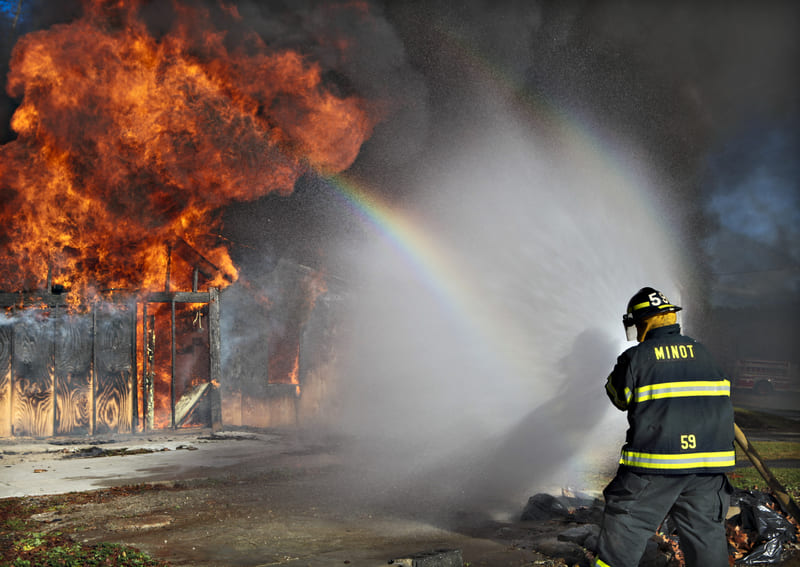
The first day back after your employee’s complete fire fighting training presents a unique opportunity. Your staff return to work with new knowledge, practical experience, and questions about how their workplace operates. But making this learning useful requires attention to those questions and a willingness to resolve them. Your managers can support firefighting training by connecting learning with local procedures, responsibilities, and equipment.
In one of our last articles, we explored how to choose an appropriate course, but here the focus shifts to what happens after you, or your staff, complete a fire training course with EMCARE. For any businesses interested in working with EMCARE, our fire fighting training can be the starting point for an informed approach to everyday preparation that is supported by safe, clear actions and regular review.
Begin With A Fire Fighting Training Debrief
We suggest scheduling a post-training discussion soon after your cadets have completed their firefighting training with us. Ask your attendees which subjects in the course challenged their assumptions and what might remain unclear about the safety arrangements at work. A proper firefighting training debrief should ideally produce a manageable list of questions. Your employees might ask who contacts emergency services or how visitors receive evacuation instructions.
Make use of the feedback from the training to glean where procedures need clarification. Then, allocate each question to someone who can provide reliable and accurate answers.
We suggest that you try avoiding expecting attendees to rewrite the emergency plan by themselves, as while fire fighting training does give them useful knowledge, management remains responsible for arranging the appropriate support. Lastly, ensure that you record agreed actions from your firefighting debrief/discussion.
Connect Fire Fighting Training With Your Premises
You should follow the training with a supervised walk-through of your place of work. Be sure to review alarm points, escape routes, assembly areas, and the locations of all relevant emergency equipment.
When you connect what your attendees learned during their firefighting training to familiar surroundings, this can effectively expose any practical uncertainties. For instance, an employee might know the general procedure but still be unsure as to which exit best serves their work area.
Ensure that you use questions to guide your walkthrough discussion and check that current signs and instructions align with your emergency plan.
Of course, it goes without saying but keep these firefighting training activities within safe limits. For instance, identifying equipment differs from practising with it. All practical exercises following firefighting training need to be meticulously planned, authorised and supervised by competent individuals.
Clarifying Roles Following Fire Fighting Training
Proper training should also connect candidates/staff with clear responsibilities. Your staff need to know how alarms are raised, who manages/coordinates evacuation procedures and how information reaches emergency responders. Be sure to review these arrangements following your staff’s firefighting training and include deputies and check what takes place during leave, shift changes or work that happens outside normal office hours.
The employees who complete firefighting training should also understand the limits of their assigned duties, as training does not justify entering smoke or delaying evacuation during unsafe conditions.
Ensure that you reinforce firefighting training with one core, clear message: personal safety is the top priority. Wherever there might be doubt about safely responding, evacuate and seek emergency assistance. Lastly, be sure to review these boundaries when you are reviewing everyone’s responsibilities who have completed firefighting training.
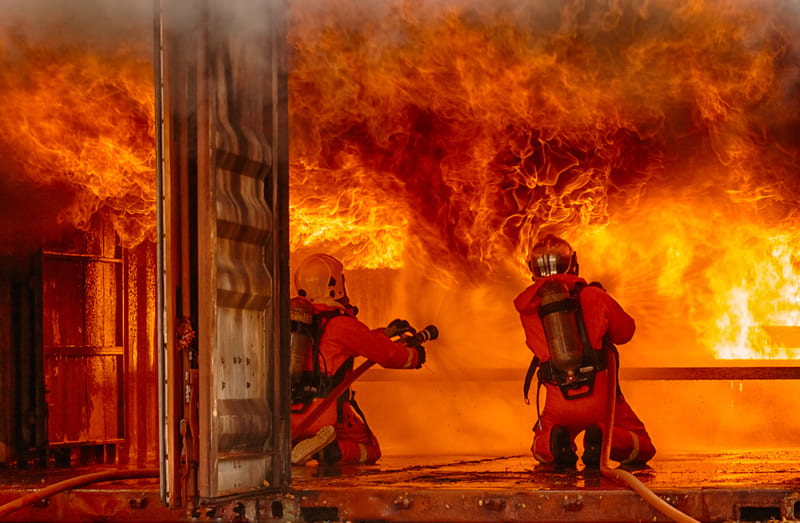
Reinforce Fire Fighting Training Through Prevention
Completing training can prompt your employees to look more carefully at everyday conditions, so you should support this kind of attention with an uncomplicated process for reporting potential concerns. After training, ask your staff to flag any obstructed exits, inaccessible equipment, or visible damage through the agreed workplace process.
Connect the training observations via an action log, record the concerns, responsible parties, and completion date, then check if the issue has been resolved. As manager or owner, you can support training when you respond consistently; for instance, a repeatedly reported obstruction requires attention, even when clearing might interrupt other tasks. Lastly, use firefighting training feedback to improve your office routines for storage, housekeeping, and access without assigning unqualified staff technical repairs.
Share Fire Fighting Lessons Appropriately
Your employees who attended a firefighting training course can assist in explaining the agreed-upon workplace arrangements during staff briefings but ensure that you keep the discussion focused on your approved procedures. Note, though, that sharing firefighting observations does not qualify anyone to perform specialist duties, so arrange suitable instructions for anyone who takes on a designated role.
We suggest including newcomers, temporary workers, and contractors when you communicate the relevant arrangements. Fire fighting training has limited reach if the instructions are only with a handful of staff. Also ask how visitors will glean information, as well as who can properly explain emergency protocols.
Make Your Fire Fighting Training Work For Your Staff
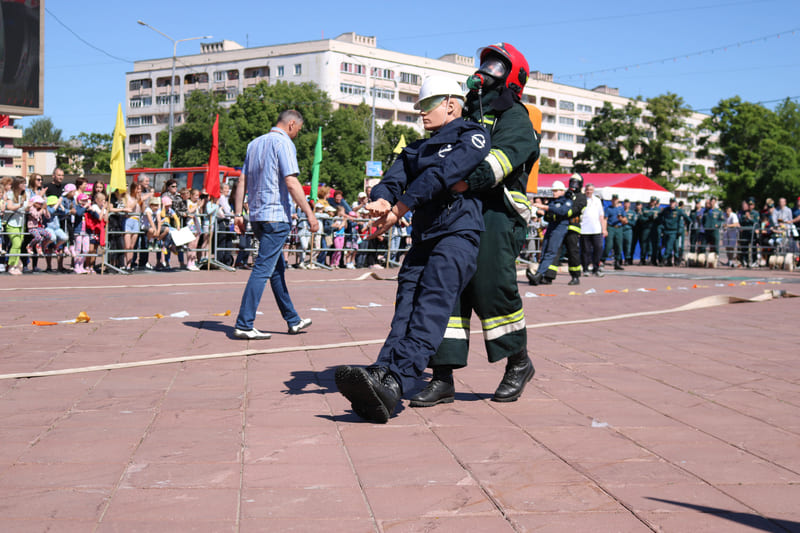
Proper and effective training continues to be a core aspect long after the course has ended for your staff. Things such as clear procedures, familiar surroundings and consistent reviews will help your staff connect what they learn with us to the responsibilities they have at work. The true value of fire training grows when the questions receive answers and agreed-upon improvements are followed through.
Proper, sound, and effective firefighting training will also help all your employees know their limits, so always reinforce the importance of raising alarms, following evacuation protocols, and staying within assigned safety roles. Fire fighting training should align with informed decisions that always put people’s safety at the forefront at work.
Visit the EMCARE website today to learn more or to contact us to discuss fire training for your team and take your first step towards creating a work environment where everyone understands their responsibilities during emergencies.