Across South Africa and globally, a safety officer course has become a moral and legal responsibility within many industries. Safety in the workplace is no longer a “nice to have”, but the legal and financial responsibility of the employer due to increased pressures to protect employees and reduce incidents. Companies are required to comply with health and safety legislation, making a safety officer course one of the most valuable investments within the industry.
Safety courses train and equip professionals with the knowledge and skills they need to identify hazards and prevent accidents. Specially appointed officers enforce compliance in the workplace, especially in high-risk environments like factories. Any workplace will benefit from safety officer training, with some industries relying far more on the expertise than others. Construction, mining, healthcare and manufacturing are sectors that require formal health and safety for operational continuity and legal protection.
In this Article, we will discuss the different industries where a safety officer course is most valuable. We will explain why the course is crucial to each sector environment and how it directly contributes to safer workplaces.
Logistics And Warehousing: The Growing Need For A Safety Officer
Due to e-commerce and global supply chain growth, the logistics and warehousing sector has expanded rapidly. This growth comes with increased risk for safety in the industry. Consider the safety implications of forklifts and loading bays, or the handling of heavy parcels mixed with long working hours. Logistics is a high-risk industry where a safety officer training course is extremely valuable.
Professionals trained in EMCARE’s safety officer course will be able to manage traffic flow and prevent collisions, reducing musculoskeletal injuries caused by repetitive lifting. Small mistakes can escalate quickly in these environments, making safety oversight a requirement for operational flow and safety. Warehouses are known for operating with tight deadlines, often leading to unsafe behaviour and shortcuts.
A safety officer will enforce procedures without disrupting the workflow, creating a balance between safety and productivity in the workplace. To ensure compliance with labour laws and safety regulations, logistics companies require a safety officer. The sector is predicted to only increase, necessitating more trained professionals and increasing work opportunities.
Mining: Saving Lives Through Preventive Measures
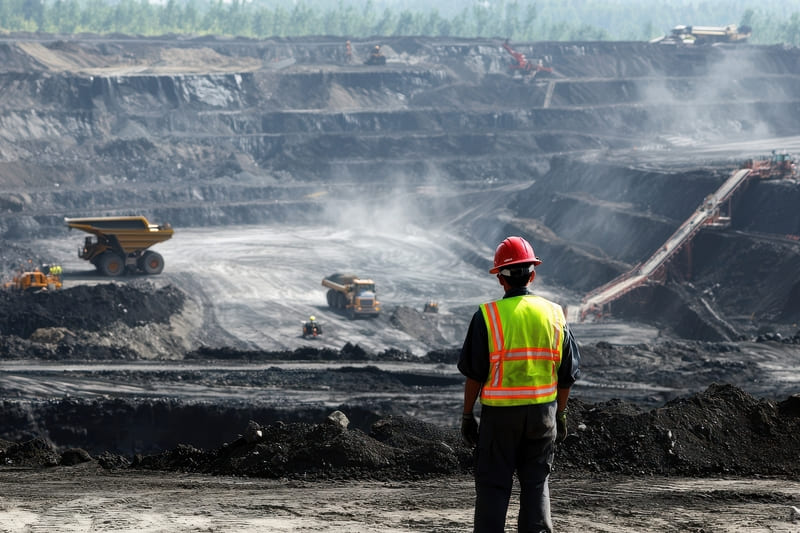
If we think of one of the most hazardous industries in the world, mining comes to mind. Even though mining health and safety laws are far more evolved today than a 100 years ago, risk still exists. Workers usually deal with explosives, underground operations and dust exposure. These extreme working conditions create life-threatening risks in this environment, making a safety officer trained in a certified safety officer course critical for the well-being of employees.
Mining safety officers have specialised knowledge in hazard identification and risk mitigation. They understand the necessity of ventilation control and preparing for emergencies. Incidents in mining environments usually have catastrophic consequences, which is why proactive safety management is a requirement.
Safety officers monitor compliance and ensure workers follow strict standards to reduce the likelihood of accidents and fatalities. Legally, mining companies face intense scrutiny, requiring compliance with mining safety laws. Officers enforce compliance and minimise possible operational shutdowns while focused on worker health.

Healthcare: Preventing The Spread Of Disease
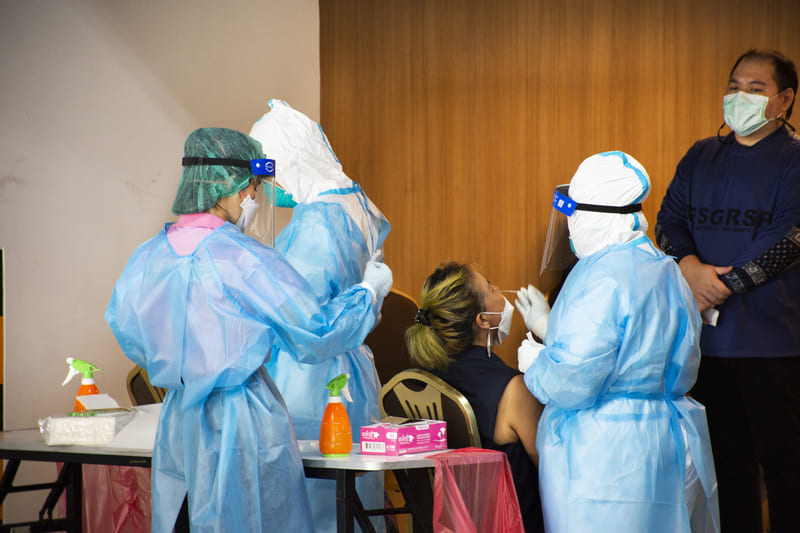
The healthcare industry might not seem as dangerous as other sectors, such as the mining industry, but it carries its own unique risks. A safety officer course is increasingly valuable in the healthcare sector due to the risk of exposure to infectious diseases. This was made very apparent after the covid pandemic. Trained officers learn procedures on hazardous waste disposal, chemical management and employee management. Healthcare workers face high rates of injury and burnout, making oversight important.
There are strict health and safety regulations which hospitals and clinics must comply with. A trained professional will ensure the proper usage of PPE while protecting staff and patients in the environment. Officers learn how to manage a crisis, be it disease outbreaks like COVID or emergency evacuations due to fire or floods. The demand for health and safety officers in healthcare grows more complex each year, with regulations changing, creating a need for trained officers in the industry.
EMCARE’s Safety Officer Course: Essential In High-Risk Industries
To conclude, a safety officer course from EMCARE will provide professionals with the skillset and knowledge required to face complex safety challenges which cannot be managed with informal training. Our course provides individuals with the structure and expertise needed to protect workers and businesses in many industry sectors. These industries invest in safety officers to create safer workplaces, compliance and the long-term success of their business operation.
Workplace safety is a serious and complex part of any industry. Those who choose EMCARE’s safety officer training course can face challenges in high-risk environments, protecting the well-being of the individuals who make the industry possible, the workers. For more information on our safety courses, visit our website and sign up today.