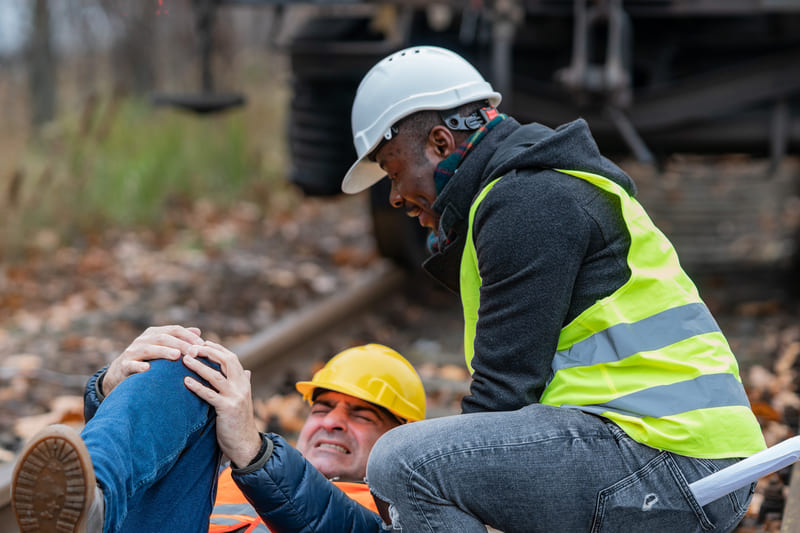
Medical emergency situations can take place anywhere, in a quiet office space, on a busy factory floor, or even out on a remote job site where help can take longer to arrive. Here in South Africa, thousands of injuries and incidents are reported every year, which highlights the need for trained people who are able to respond both quickly and effectively.
And thus, this is where a first aid course becomes indispensable. Beyond ensuring that companies and enterprises meet their legal obligations, first aid training gives employees a unique form of confidence to step up during emergency situations and stabilise a casualty until professional medical first responders arrive on the scene. That being said, not all workplaces come with the same risk levels, which is one of the reasons why first aid training is structured into levels, each one designed to cater to different environments and responsibilities.
In this EMCARE guide, we’re going to break down the differences between First Aid Course 1, 2, and 3 and explain what each course covers to help you choose your ideal level of training for your specific workplace.
The Levels Of Each First Aid Course In South Africa
Here in South Africa, first aid training is broken into and structured into three recognised levels, each designed to match the different workplace needs and levels of responsibility. Here at EMCARE, our courses progress from the foundational skills learned in First Aid Level 1 to the more advanced and response capabilities learned in Levels 2 and 3. Having a robust understanding of the difference between these levels is vital in selecting the right first aid course for your team.
First Aid Level 1 (FA1)
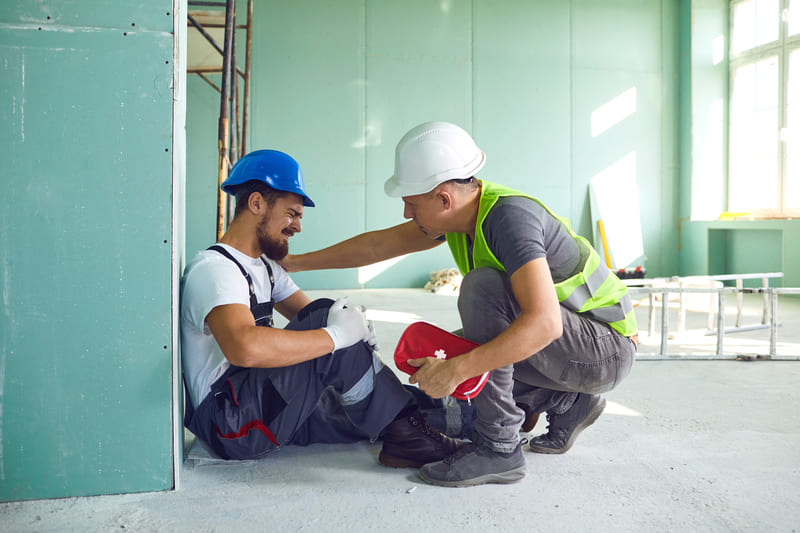
First Aid Level 1 is the most common course in preparing individuals for workplace readiness. This level covers all the essential skills required to manage the most common of injuries, which include how to properly assess a scene, perform CPR, assist a choking victim, control bleeding, and stabilise casualties until professional help arrives. It is a two-day course and is ideal for low-risk workplaces and employees who are often the first point of contact in an emergency.
First Aid Level 2 (FA2)
The First Aid Level 2 course builds upon Level 1 and is designed for team leaders, supervisors, and environments that have medium-risk exposure. It is a three-day course that covers more detailed patient assessments, fractures, burns, environmental emergencies and secondary surveys. This level also provided a deeper understanding of casualty management, preparing every learner to take on more complex scenarios with confidence.
First Aid Level 3 (FA3)
First Aid Level 3 or FA3 is designed for high-risk or remote workplaces where the response times of EMS might be delayed. It offers the broadest and most advanced training at each level and is a four-day course that covers spinal injury management, multi-casualty scenarios, advanced patient assessment, and prolonged care techniques. This course is commonly recommended for safety officers, emergency response teams, and individuals who work in isolated or hazardous environments.
How To Match First Aid Courses To Your Workplace Risk Profile
Every kind of workplace comes with a certain degree of risk, but not all environments require the same level of emergency readiness. Selecting the correct first aid course depends on several factors, including the nature of your operations, the number of employees, and the hazards that are exposed to every day. By accurately matching training levels to your risk profile, you ensure that your team is properly equipped to respond when it really matters.
Office Spaces & Retail
For the low-risk work environment like the office, call centre, or retail spaces, the First Aid Level 1 course provides more than enough coverage. These work settings generally only face common medical incidents such as fainting, choking, minor injuries, or sudden illness. Having a few of your staff members with level 1 training ensures that any emergency can be seen to quickly while awaiting the arrival of professional medical responders.
Construction, Industrial And Manufacturing
Next up are the medium to high-risk work environments, which include warehouses, factories, logistics hubs, and, of course, construction sites, which all require a more advanced level of preparedness. Naturally, these workplaces involve machinery, electrical systems, hazardous substances, and notably busy operational activities. In this space, First Aid Level 2 (FA2) or Level 3 (FA3) is strongly advised, as both levels provide deeper casualty management skills that are suited to seeing to complex injuries and fast-paced emergencies.
High-Traffic, Remote, Or Isolated Locations
Many workplaces come with unique challenges based on geography or accessibility. Think agricultural sites, solar farms, security teams, remote workshops, and high-traffic public areas; these environments commonly have to deal with delayed EMS response times. In these cases, the First Aid Level 3 course is the top choice. It teaches learners advanced assessment skills, multi-casualty techniques, and extended care training, which prepare respondents to manage emergency situations for longer periods of time without immediate support.
Certification, Compliance & Validation Of First Aid Courses
Once you’ve completed any first aid training at EMCARE, you will receive a recognised certificate which is valid for three years, in line with South African regulatory requirements. It is not only a best-practice recommendation to maintain valid, up-to-date first aid training, but also a legal requirement under the Occupational Health and Safety Act, which requires that all employers ensure that competent people are readily available to manage any and all workplace emergencies.
Be Prepared With EMCARE
Selecting the correct first aid course for your team ensures that they are compliant but also genuinely capable of responding effectively and safely to real-world emergencies. Every level, from FA1 to FA3, builds vital skills that protect your staff, reduce risk, and strengthen your workplace’s safety culture. To ensure that you meet compliance requirements and prepare your staff for emergencies, visit the EMCARE website today, and take the first step to building a safer environment and a team that is prepared to take on emergencies when they happen.