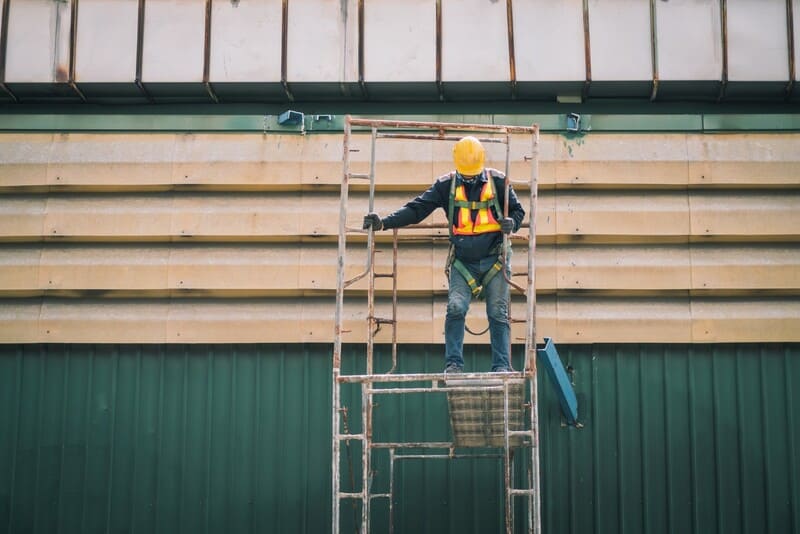
Investing in Working at Heights training is an important aspect of safety and compliance. Working at heights is naturally risky, but with more specialised roles, the level of responsibility and potential danger increases by a significant amount. Tasks like erecting scaffolding, examining structural systems or maintaining climbing equipment require more than just basic fall protection knowledge. For these tasks, advanced training and a comprehensive technical understanding are needed.
EMCARE offers a range of specialised courses created to give professionals the necessary skills needed to effectively manage elevated work environments both safely and effectively. In this article, we cover the importance of advanced Working at Heights training as well as a few of the key courses offered by EMCARE.
Why Advanced Working At Heights Training Matters
Basic Working at Heights training introduces foundational safety principles, while advanced training takes it a step further by diving deeper into the technical and operational aspects of working in high-risk environments. In these roles, workers are responsible for their own safety as well as the safety of others, which highlights the importance of getting the proper training.
Advanced training is focused on areas like equipment inspection, structural integrity and compliance with safety regulations. All of these factors play a major role in preventing accidents, maintaining the proper use of systems and upholding safe working conditions. Regulations require competent, trained personnel to oversee tasks like scaffold erection or equipment inspection. As such, formal training should never be seen as optional, but as an absolute necessity.
For organisations working in construction, industrial maintenance, telecommunications, and related sectors, investing in Working at Heights training is incredibly important. With these specialised skills, workers are better prepared to identify hazards, respond to potential failures and maintain safe systems of work.
Climbing Equipment Inspection And Maintenance Course
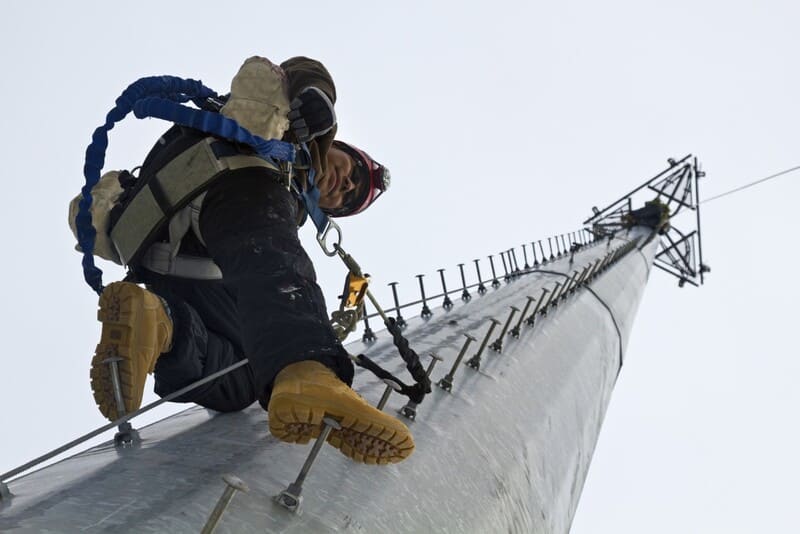
As you may have expected, climbing equipment is a major component of many working at heights operations. The reliability of the equipment can be the difference between safety and serious injury, highlighting the importance of a proper inspection. The Climbing Equipment Inspection and Maintenance Course is made for the people responsible for the equipment, ensuring they have the necessary skills to keep said equipment in a safe, working condition.
This Working at Heights training course is particularly important and relevant for safety officers, supervisors, rope access technicians and anyone given the task of managing or inspecting fall protection equipment. Course participants learn how to correctly determine different types of climbing and fall arrest equipment, as well as how to assess their condition through systematic inspection procedures. The training covers the detection of wear and damage, including signs of stress, corrosion or material degradation that could compromise safety. The course also deals with proper maintenance practices, storage requirements and the importance of accurate record keeping for compliance.
The course duration is one day, and the certificate remains valid for three years. Participants must have the following certificates to qualify for the course:
- Fall Arrest & Basic Rescue Certification.?
- First Aid Level 1 Certificate.?
Scaffolding Erectors Course (SE)
Scaffolding is, of course, a major part of elevated work environments. Scaffolding provides workers with essential access and support, but when erected improperly, it can be incredibly dangerous. The Scaffolding Erectors Course focuses on the safe construction, modification and dismantling of scaffold structures.
The Working at Heights training course is generally aimed at construction workers, scaffold teams, and site personnel involved in scaffold operations. In the course, participants gain a key understanding of scaffold components, terminology, and the principles that underpin safe construction.
Course participants are trained in proper erection techniques as well as structural stability and load-bearing capacity. The course also covers hazard identification, which helps individuals recognise potential risks like unstable foundations, improper assembly or environmental factors that could affect the integrity of the scaffold. The course duration is two days, and the certificate remains valid for three years.
Scaffolding Inspector Course (SI)
As important as the erection of the scaffolding is the regular inspection. The Scaffolding Inspector Course is designed for individuals who are responsible for assessing scaffold structures to maintain ongoing compliance.
The course is aimed at supervisors, safety officers, inspectors and site managers who need to verify that scaffolding systems meet safety requirements. It is focused on developing the necessary skills to identify structural issues, unsafe conditions and non-compliance with regulations.
Course participants will learn how to perform detailed inspections with standardised checklists and procedures. The training covers the recognition of defects, evaluating load capacity and assessing the environmental factors that could impact overall safety. Additionally, the course covers legal responsibilities, reporting requirements and proper documentation practices.
The course duration is two days, and the certificate remains valid for three years. To qualify for the course, individuals must have a Scaffolding Erector Certificate.
Why Choose EMCARE For Advanced Working At Heights Training
The importance of choosing a trusted and experienced provider should not be understated when it comes to safety courses like Working at Heights Training. At EMCARE, we offer accredited courses that align with South African Occupational Health and Safety regulations. With our help, you can guarantee both compliance and quality.
A major advantage of EMCARE’s training is the practical, hands-on approach that we use. You’re not only taught the theory behind safety procedures but given the opportunity to apply this knowledge in realistic scenarios. As such, participants leave with a strong understanding of all the necessary components, and they have the confidence to apply this knowledge in the real world.
At EMCARE, our instructors also bring valuable industry experience into the training environment, offering insights that go beyond standard course material. The organisation also offers flexible training solutions for individuals and companies, so it’s far easier to integrate training into your operational schedules.
Final Thoughts On Working At Heights Training
In elevated work environments, the need for advanced Working at Heights training is key to meeting regulations, maintaining safety, and getting the most out of your operations. Specialised courses in equipment inspection, scaffolding erection and structural inspection play a key role in safety and compliance.
By taking the time to participate in advanced training, your organisation can reduce risks, improve operational efficiency and make sure the workforce is fully equipped to deal with the challenges of elevated workspaces.
At EMCARE, we are a trusted partner in developing safer and more competent teams. As a specialised Health and Training Safety company, you can trust that you’re getting help from experienced, qualified professionals. Get in touch today to learn more about our safety courses or make a booking today!