First response skills, obtained from a first aid course, proves to be the difference between life and death, or at the very least a full recovery versus a lingering injury. This article, brought to you by EMCARE, will cover five key ways in which first responders can save or aid lives, from providing critical life-saving care to preventing common injuries from deteriorating. Reach out to EMCARE today to organise your own first response course, empowering yourself with lifesaving skills and knowledge.
EMCARE First Aid Course: The Critical Role Of Immediate Action
A medical emergency can occur at any time, and at any place. When they happen, they tend to catch everyone at the scene off guard, most of all the person suffering the crisis. In these cases it’s easy for those witnessing the event to freeze up, overwhelmed by what they’re doing and uncertain what to do next.
However, it is these very moments that are some of the most important in treating a medical crisis. A timely, and appropriate response during the early stages can make all the difference in the survival rate of the crisis, as well as the chances of a swift and complete recovery.
For example, if a traumatic injury to the spine during a car crash is stabilised correctly and fast enough, the chances of permanent damage like paralysis are far reduced. This makes trained first response a truly invaluable skillset.
EMCARE First Aid Course: Building Confidence In Crisis
One of the first goals of first aid training has little to do with any medical knowledge itself. Instead, its focus is psychological, helping the student prepare mentally for a crisis. This is to prevent that aforementioned situation where everyone at the scene of a medical emergency freezes up.
The first aid course drills a number of practical skills that become muscle memory, allowing the student to overcome hesitation and spring into action by instinct. This is an incredibly empowering process that turns passive bystanders into active lifesavers.
This increased confidence in crisis scenarios transfers over to many other domains of life too, allowing those who have undergone first aid training to live more fully and adventurously without the fear of an unexpected emergency looming in the background.

EMCARE First Aid Course: Life-Saving Skills Everyone Should Know
No matter the nature of the injury or illness, having first aid course response to it will be a massive positive, aiding recovery and reducing the chance of complication. That being said, there are certain medical emergencies in which first aid response is absolutely essential. These are rapid onset issues that we slate fast and require immediate lifesaving attention, with the patient liable to die if no care I received.
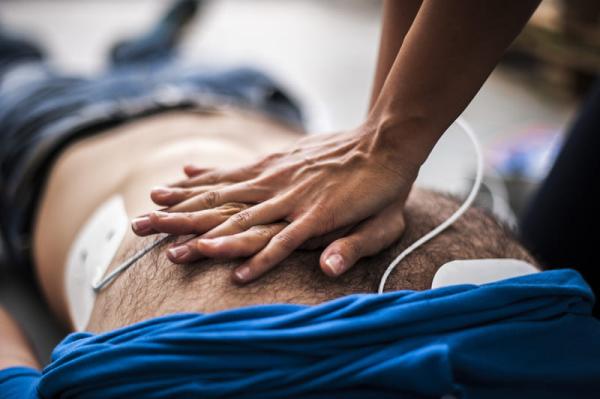
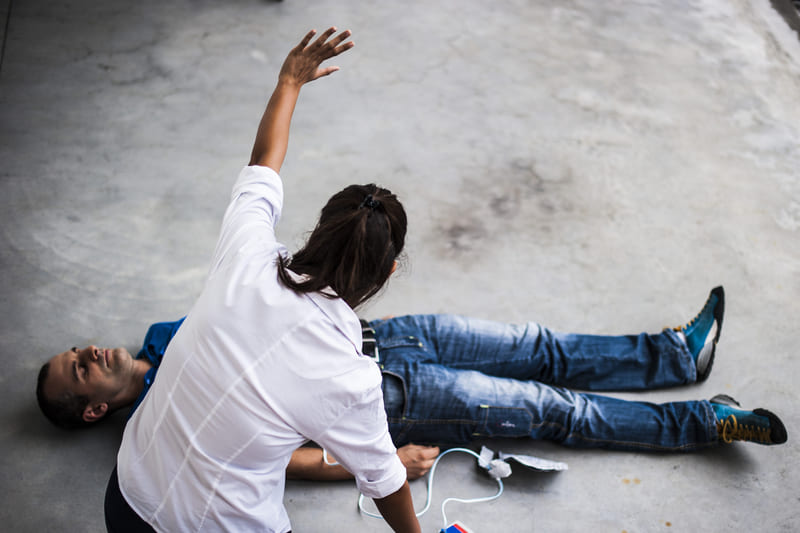
One of the foremost examples of this is cardiac arrest, which can strike very suddenly. In all likelihood, CPR will be an absolute necessity, helping restart the heart. Similarly, a drowning scenario will require CPR to clear the airways of water and restore breathing. Severe wounds often also require immediate attention due to the heavy blood loss they entail, requiring the use of a tourniquet and bandages. This list can be further fleshed out with other instances, such as seizures, strokes, severe burns, and more, but the message is clear across all of these examples; there are times when a trained first aid responder is all that stands between a patient and death.
EMCARE First Aid Course: Reducing Long-Term Injury And Complications
While the instances in which first aid training goes on to prove itself an essential lifesaving tool are the most dramatic examples of its efficacy, that’s not to say that the other times when it’s used on more mundane and less threatening injuries aren’t valuable too.
As a first aid responder, much of your time will end up being spent addressing cuts, stings, sprains and minor burns. Armed with plasters, gauze, disinfectants and your wits, you can help prevent minor injuries from worsening into an issue warranting real concern. Furthermore, though handling issues like fractures, sprains and dislocations with the right methodology, you’ll end up minimising recovery time and the chance of any long-term damage occurring. Without first aid course training, we risk even the most common of ailments becoming serious down the line.
EMCARE First Aid Courses For Harsh Environments
One thing to know about a first aid course is that it is an ongoing process, requiring regular refreshers and open to a variety of specialisations.
South Africans in particular may be interested in later picking up more specialised first aid training that operates with a wilderness and outdoor context in mind. With so much of our country being covered in rugged wilderness, it is rewarding to be prepared for the many unique threats that come with that territory. Harsh weather and climate, challenging terrain and dangerous animals are but a few of the threats to adapt to.
Moreover, these rural contexts often find you far removed from any professional medical assistance, again making the first responder a truly precious asset. With all costs considered, taking on advanced medical training is a sound and safe investment, giving you the ultimate freedom to live life without fear for the safety of those around you.
Learn First Aid Response At EMCARE
In conclusion, first aid responders are vitally important assets in a medical emergency in a variety of ways. Foremost, you’ll find that the very first moments in which a medical emergency occurs are some of the most essential, with proper and timely care for increasing the rate of survival and recovery.
In some cases, such as cardiac arrest, drowning or profuse bleeding, the first aid responder may very well be the key to saving a patient’s life. Even in less dramatic situations where minor wounds are treated and stabilised, first aid response helps prevent deterioration and boosts recovery. In South Africa, especially, it’s worth contacting EMCARE about not only doing a basic first aid course, but also a specialised course to prepare for wilderness environments.