Working at heights training is a skill set and qualification that many South Africans overlook when it comes to equipping themselves for the workforce. This article will make you aware of the incredible value waiting for you in this simple one-day course. With the qualifications and abilities, you’ll have after training, you’ll be set to work across many separate industries on both an employee and freelance basis, while earning good money doing so. This course is offered to you by EMCARE, a South African company dedicated to providing ordinary people with extraordinary skills and recognised qualifications, opening a world of exciting and lucrative opportunities.
What Is Working At Heights Training?
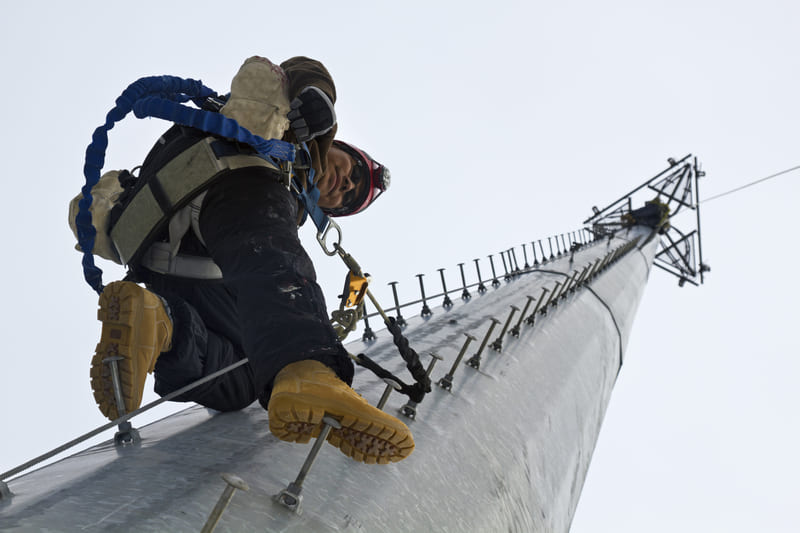
Working at heights training is, as the name suggests, a course designed to teach workers how to safely carry out tasks at a high elevation. The course focuses heavily on preventative measures, leaving physical protection from falls as a necessary but final measure. Much of what you’ll learn in this course surrounds the use of equipment made to help you carry out your tasks safely and confidently.
The EMCARE course is about more than just instilling a skill set; it’s about a mindset- a mode of thinking that is keenly aware of the surrounding environment and the possible hazards that exist within it, allowing you to safely navigate around these without compromising the quality of your work.
Doing this course awards, you recognised certification that employers actively look out for. In fact, certifications like these are a legal requirement to work in conditions over a certain height in most places, making the professional training like that provided by EMCARE a necessity for both employers and employees.
Why Working At Heights Training Is Versatile
Working at heights training isn’t restricted to teaching trainees how to perform a single task, or even how to operate within a single industry. Rather, it gives you a set of skills and qualifications applicable to virtually countless scenarios, valued across many industries.
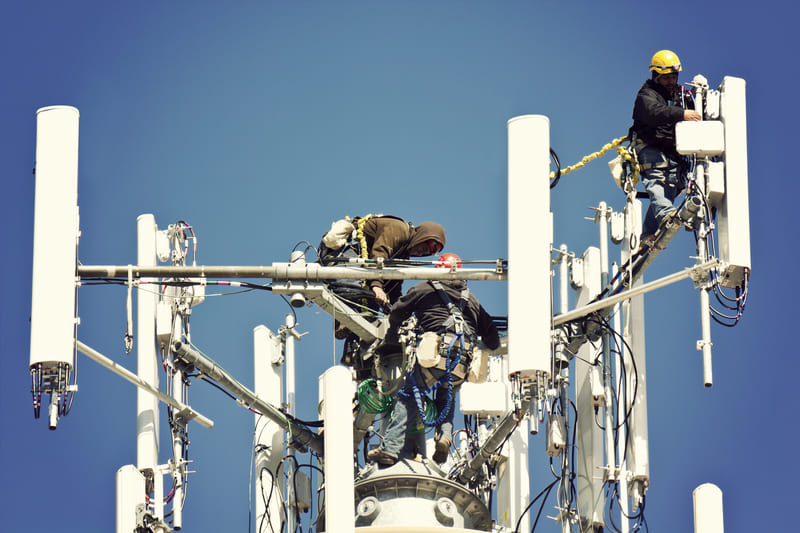
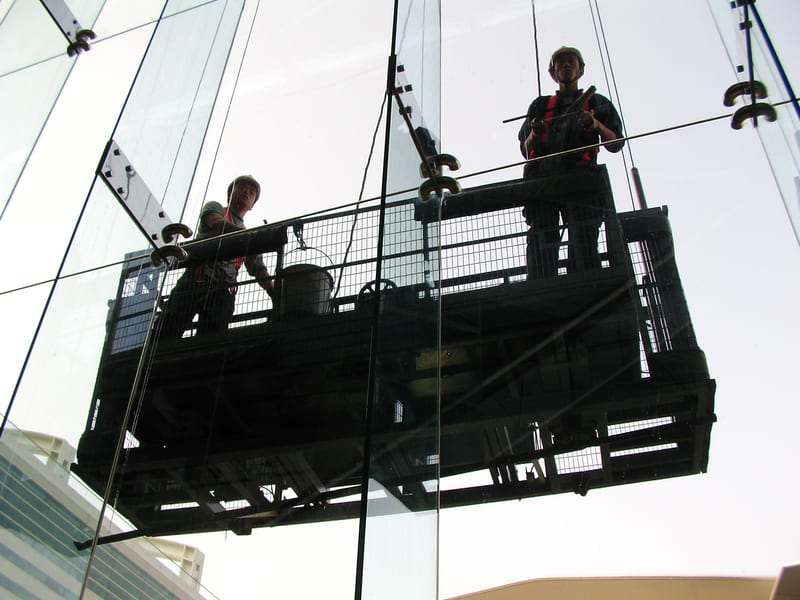
As a clear example, industries such as construction, mining, telecommunications, maintenance and energy are all ones which use height-trained workers daily for dozens of different jobs across the worksite. However, there are other industries like film and entertainment that also see frequent use of height-trained workers for special projects.
A course like this opens the opportunity to start an entirely new career path, but it also gives the chance for those already invested in a career to broaden their horizons. Electricians, painters and professional cleaners all benefit from this course, allowing them to take on new kinds of jobs that pay a premium for the technical skill requirements and entailed challenge.
Why Working At Heights Training Can Be So Lucrative
Quite frankly, working at heights isn’t something that just anyone can do. Performing manual labour at an elevation carries with it an inherent risk, on top of the added challenge over work done at ground level. It takes real skill and training to be able to carry out work like this safely and effectively.
Moreover, legal requirements around health and safety now make it impossible for anyone without certified training to perform these kinds of work. While some businesses may still try to slip untrained workers into the role, doing so carries the heavy weight of triple risk: risk of failure, risk of accident, risk of legal repercussions.
So, to avoid tempting fate, many industries would rather pay a premium for trained and certified workers to carry out these challenging tasks. As it stands, this kind of training is still relatively rare within a workforce, making those with the right background especially precious. Being one of these precious few with the right training and qualifications offers you a strong chance of being snatched up into a lucrative position by keen recruiters. If you prefer the freelance path, however, you’re in equal luck.
Having completed the EMCARE Working at Heights training opens a whole world of new contact opportunities and project-based jobs that pay significantly.
What to Expect From A Working At Heights Training Course
At EMCARE, we offer a focused and content-heavy training program that prioritises practical, hands-on training. This compact course lasts only a day but leaves you with recognised certifications that remain valid for up to three years. You’ll learn how to assess and react to risks, and how to protect yourself with Personal Protective Equipment (PPE) and other equipment like full-body harnesses. You’ll learn how to carry out emergency communications at a height, and as a last resort, you’ll learn how to arrest a fall and minimise trauma in the process.
The prerequisites are basic, requiring only proficiency in English reading and writing and the passing of a basic fitness test that evaluates your cardiovascular fitness and grip strength. With these out of the way, you’ll be able to enrol and begin training. EMCARE has branches scattered throughout South Africa, including major hubs like Johannesburg, Polokwane, Durban, Cape Town, Hoedspruit, and Gqeberha. At all of them, you’ll be able to enrol in and complete your working at heights training course.
Conclusion
EMCARE’s heights training course awards you widely recognised certifications that are valued across a vast range of industries, giving you the chance to fill lucrative roles in a company or to make your own path through the freelance route. In a single day of training, you’ll develop an incredibly useful skill set that allows you to safely and effectively carry out challenging work at heights. Completing this training and getting the necessary qualifications is incredibly rewarding and easy when done through an entity like EMCARE. We have a nationwide network of training centres, giving all South Africans the opportunity to partake in transformative training courses.