EMCARE’s fire fighting training ensures you never get caught at your most vulnerable: unprepared for a fire scenario. Instead, we give trainees the opportunity to become intimately familiar with fire risks and behaviour, building the knowledge base and logical system to anticipate and mitigate these threats. We also instil the ability and confidence to actively suppress fire when needed, allowing you to leap into action when required. This article will explore more about how we prepare trainees for the reality of fires in South Africa, as well as the other material benefits this training offers beyond the obvious.
Fire Fighting Training To Mitigate Urban Fire Risk
Urban environments are understood to offer access to better infrastructure and work opportunities, alongside bustling social and cultural stimulation. Unfortunately, urban spaces also come with their own host of downsides and risks, including those related to fire. Urban fires are notoriously tricky to deal with, able to spread quickly and in unpredictable ways. Moreover, these environments pose additional risks to a firefighter during a fire, such as smoke buildup, the risk of total collapse and exposure to other dangerous elements. Therefore, it takes some serious fire fighting training to safely navigate and suppress urban fire scenarios.
The EMCARE course in particular helps your account for risks associated with South African urban environments, of which there are many. Our urban spaces are, more so than many other places, prone to disastrous electrical faults, feature prevalent use of indoor gas cooking and are made up of densely packed construction that allows for rapid fire spread.
Firefighting Training To Mitigate Wildfire Risk
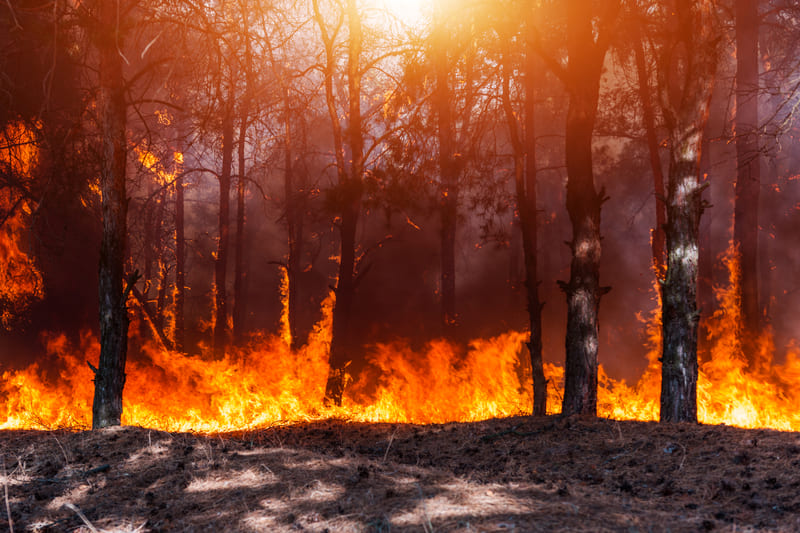
Handling wildfires is a completely different matter compared to an urban blaze. Spaces are larger and more open, allowing for faster and more extensive travel, for both you as the firefighter and the fire itself. Fuel for the fire is often plentiful in the form of plant life, with various kinds of foliage affecting the rate of spread. As a firefighter, you are often required to complete strenuous hikes to even reach the fire you are fighting. All of this and more necessitates an intensive training approach.
Having this set of skills is particularly important to those living or working in South Africa’s wilder or rural areas. Our country possesses vast swathes of fire-prone brush that ignites dramatically. These wildfires carry the potential to deliver massive destruction not only to the environment, but also to spread to human settlements and agriculture for even deeper harm. With the correct skill set, however, you are going to be able to actively combat wildfires and help set up preventative measures to reduce risk and protect vulnerable regions.
Fire Fighting Training In Pursuit Of Preventative Action
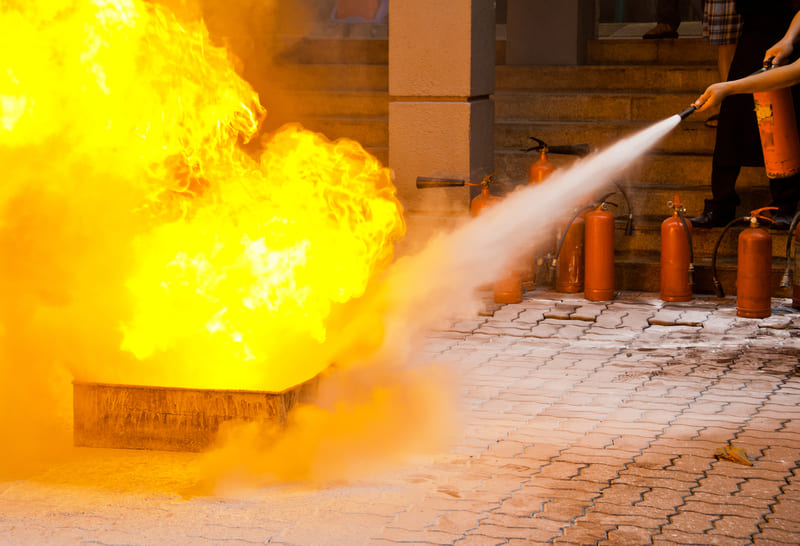
Being prepared for a fire does not just look like being ready to leap up and actively combat flames. It means putting the measures in place to proactively reduce the chances of fires occurring in the first place. This strategy, while less dramatic, is by far the safest, cost-effective, and rewarding method of fire fighting.
The EMCARE fire fighting training approach places an extraordinarily strong emphasis on preventative action. It stresses the importance of developing an understanding of fire: how it starts and behaves once it does. This allows you to identify active risks and mitigate them before they result in a crisis. Our courses aim to engender not only a skillset in our trainees, but a mode of thinking. By the end of the training, you will be using both knowledge and logic to identify and assess risks in even the most mundane scenarios, ensuring that you are never caught off guard and actively making wherever you go a safer place.
Fire Fighting Training For Workplace Compliance
The primary goal of our fire fighting training is, of course, to empower people to protect themselves from the very real risk of fires. However, that is not to imply that this is the sole benefit of our courses.
There is an established and expanding set of rules and regulations related to fire preparedness imposed upon businesses in South Africa, setting a standard of safety that is enforced with dire consequences.
It varies from industry to industry, but a common expectation of a business is for its workforce to be at least fundamentally educated in fire prevention and suppression. Should an inspection be conducted and the business be found lacking, expensive penalties are the least of what can be expected.
All EMCARE courses are fully certified and taught by experts, giving them both the legal and practical backing they need to simultaneously meet the criteria of compliance and provide real protection. This makes enrolling a doubly useful investment that can pay off in dramatic ways, including avoiding harsh penalties.
Fire Fighting Training For Personal Opportunity
There is clear material benefits offered to trainees of fire fighting courses themselves. The ability to prevent and suppress fires is a valuable skill set in the professional world, especially in high-risk, high-pay fields like offshore oil drilling and mining operations. Recruiters in these fields are always on the lookout for labourers with a skillset that can help to offset those risks.
South Africans are popular hires within these industries; recruiters recognise a real willingness to work hard and adapt to new scenarios. Increase your chances of catching their attention by completing a valuable EMCARE course, which will deliver recognised certificates upon completion. If you do not want to miss out on these international opportunities when they come around, you should start upskilling with fire fighting and related emergency response courses today, allowing you and your CV to stand out like a glowing ember among the competition.
Conclusion
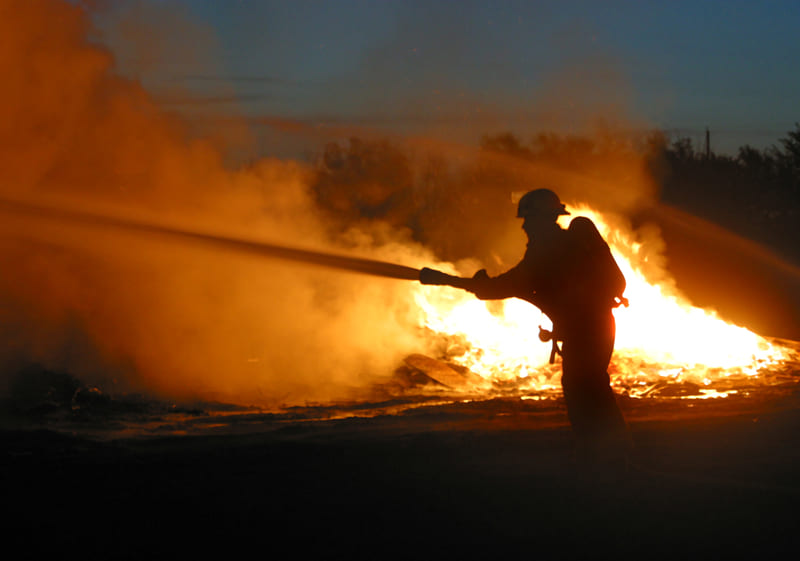
EMCARE’s fire fighting training courses are all about preparation. We want South Africans to be aware of and ready for the many fire risks that exist in our everyday lives. Our priority is to identify and mitigate those risks through preventative action, but we work to build up the skills for active suppression as well. Rather than just attempting a blanket approach, we teach our trainees about different environments and the threats specific to them, enabling a targeted approach. Moreover, our courses deliver material benefits to both businesses and workers, who benefit respectively from compliance and desirable skill sets. Visit the EMCARE website today to view and learn more about all our emergency response courses.