
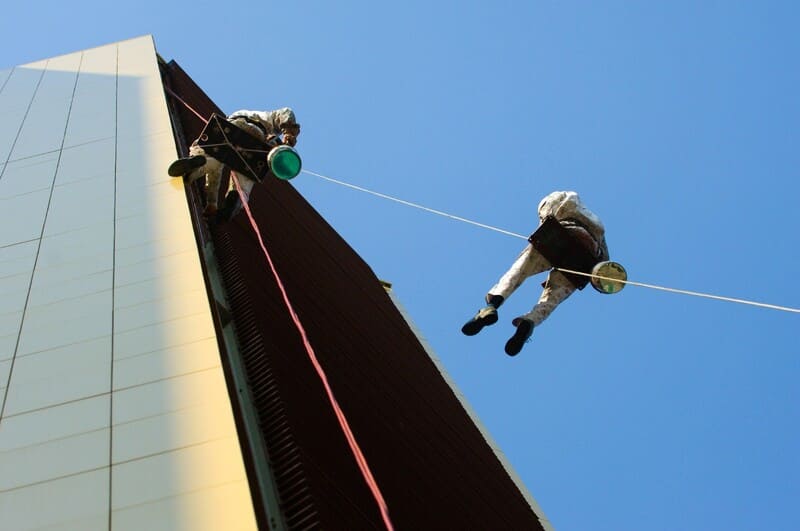
Working at Heights Training is essential for employees who perform tasks in elevated environments where a fall could result in serious injury or death. This type of work is common across industries like construction, telecommunications, maintenance, warehousing, engineering and solar installation.
Even routine activities involving ladders, scaffolding, rooftops or elevated platforms can expose workers to significant risks when suitable precautions are not in place. Wearing a harness or using a ladder doesn’t automatically make an elevated task safe. Workers still need to understand the hazards involved, know how to inspect and use their equipment, and follow a suitable fall-protection plan.
At EMCARE, our training combines theoretical knowledge with practical instruction to help learners approach elevated work with greater awareness, competence and confidence. In this article, we take a closer look at the importance of Working at Heights training for workplace safety. We’ll also cover some of EMCARE’s available courses.
Working At Heights Training: What Counts As Working At Heights?
Working at heights isn’t limited to climbing massive towers or working on high-rise builds. Generally, it includes any work performed in a location where a person could fall and hurt themselves if suitable safety measures are not in place.
This may include working from a ladder, performing maintenance on a roof, using scaffolding, operating on an elevated platform or completing tasks near an open edge. It can also include working above floor openings, excavations, loading areas or other lower levels.
The seriousness of the risk also isn’t determined solely by height. The condition of the equipment, the surface below, weather conditions, worker experience and the nature of the task will all impact the potential consequences of a fall. For example, a relatively short fall onto machinery, concrete or sharp materials can be incredibly dangerous.
For this reason, employers and workers must assess every elevated task according to its specific risks rather than assuming that work is safe simply because it is being performed only a few metres above the ground.
Why Falls Are A Serious Workplace Hazard
Falls can result in fractures, spinal injuries, head trauma, permanent disability or even death. They may also damage equipment, disrupt operations and expose other employees to danger during the incident or rescue process.
A lot of fall-related injuries are connected to preventable factors. These can include poor planning, unsuitable anchor points, incorrectly fitted harnesses, damaged lanyards, unstable ladders and improperly erected scaffolding. Weather, fatigue, inadequate supervision and overconfidence can all also contribute to an unsafe working environment.
And the risks don’t necessarily end when a fall-arrest system successfully catches a worker. A person who remains suspended in a harness may experience suspension trauma, which is also called “harness hang syndrome”. This can happen when the harness straps restrict circulation while the worker is waiting to be rescued.
Preventing falls must involve more than issuing protective equipment. Employees need to know how to identify hazards, select the correct equipment, inspect it properly and follow an effective emergency procedure if something goes wrong. Working at heights training helps with all of the above.
What Working At Heights Training Covers
Our Basic Working at Heights Course is designed to equip learners with the knowledge, skills and attitudes needed to work at height more safely. The training helps minimise the likelihood of a fall while increasing a worker’s chance of survival if an incident occurs.
Learners are introduced to the hazards associated with elevated work and the importance of conducting a suitable risk assessment before beginning the task. They also explore the purpose of fall-protection plans and the responsibilities of the people involved in planning, supervising and performing the work.
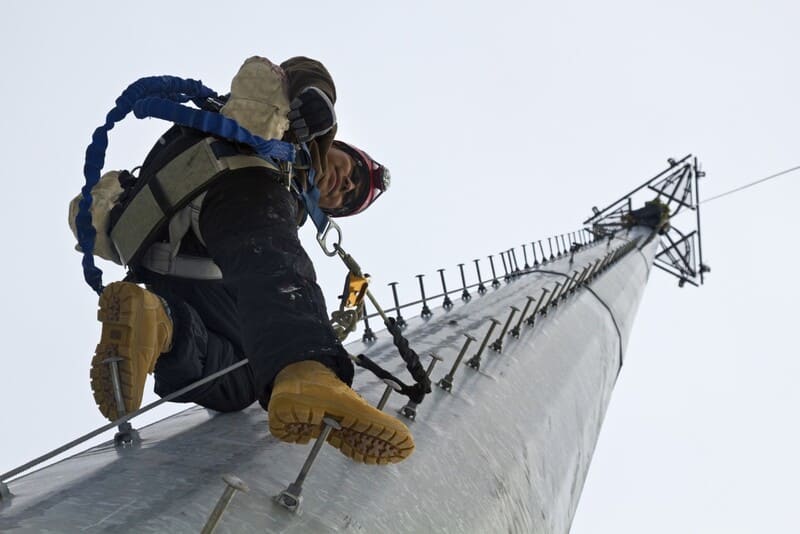
Personal protective equipment is another major part of the course. Individuals learn about the proper and safe usage of equipment such as harnesses, connectors, lanyards and related fall-protection components. This includes understanding how equipment should be fitted, used, inspected and stored.
The course also deals with suspension trauma, relevant height-safety considerations and the procedures that workers should follow during an emergency. These topics help learners understand that working safely at heights requires proper preparation, the correct behaviour while the work is taking place and an effective response plan for potential incidents.
Working At Heights Training: Why Practical Training Matters
The practical component of working at heights training is incredibly important. Height safety can’t be properly learnt through theory alone. For example, workers may understand that a harness needs to be worn, but they may still fit it improperly or fail to identify damage that makes it unsafe.
Practical instruction allows learners to use equipment in a controlled environment and receive guidance from a qualified instructor. They can practise fitting and adjusting safety equipment, inspecting components and following appropriate procedures before applying those skills in the workplace.
Practical assessments also help instructors determine if learners possess the required skills rather than simply repeat information from a course manual. Of course, confidence is important when it comes to working at height, but it must be supported by genuine competence and full understanding of the risks involved.
Working At Heights Training At EMCARE
At EMCARE, we offer a range of height-safety courses for different workplace responsibilities. Our Basic Working at Heights Course provides essential training for employees performing elevated tasks, focusing on hazard awareness, equipment uses and safe working procedures.
We also offer a Fall Arrest and Basic Rescue Course, which builds fall-arrest competence and introduces basic rescue techniques for situations where a worker may need to be recovered from height.
For more advanced planning needs, our Fall Protection Plan Developer Course covers risk assessment and safety planning. Additional training includes Scaffolding Inspector and Portable Ladder courses. Choosing the right course depends on your development goals and job requirements.
Final Thoughts: Book A Course With EMCARE
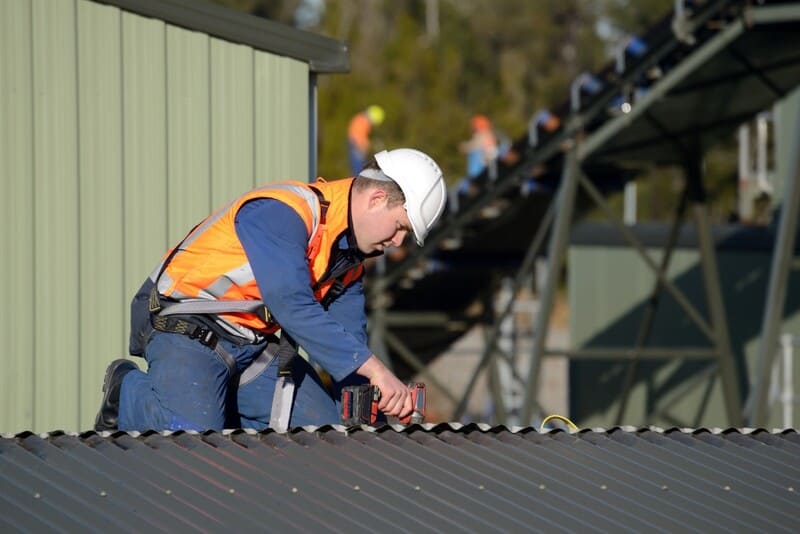
Working safely at height involves a lot more than just wearing the right protective equipment. It requires hazard awareness, careful planning, the right supervision and the ability to use fall-protection systems correctly.
At EMCARE, we provide practical Working at Heights Training for individuals and businesses across a range of industries. Our courses are designed to help learners understand the risks of elevated-work environments, use protective equipment properly, and respond more effectively to incidents.
Contact us to learn more about our broad range of training courses today.