
With fire fighting training, your very instincts will become reforged to the purpose of fighting fire. The average person’s response to an emergency scenario like a fire is to hesitate, freeze, or run in fear. This is how a small incident spirals out of control and becomes a major crisis. We cannot allow that to happen. Instead, we train you to overcome that initial shock and leap into action, using an arsenal of tools and a team of trusted companions to see the job done.
This article is brought to you by EMCARE – a trusted South African provider of emergency response courses – and will explore some of the ways in which our training will help to physically and psychologically equip you with what you need to become a true firefighter and protector of your community.
Emergencies Rarely Announce Themselves
The world would be a truly different and much safer place if emergencies arrived at a convenient time with due warning beforehand. Unfortunately, emergencies tend to happen when we least expect them and do so very quickly. Fires are a great example of this; this springs up suddenly and can spread far faster than the average person expects. Even those who are readily exposed to fire education and drills aren’t as prepared for the reality of a raging fire as they may think. That’s why fire fighting training is so important. It offers not only a theoretical understanding of the threat of a fast-appearing and fast-growing threat like a fire, but also a practical guide on how to handle this situation quickly.
Pressure Changes Everything During A Fire
One of the most important parts of any firefighting course is to prepare an individual for not only the physical effects of a fire, but also the psychological effects thereof. On a very animal level, our bodies recoil when faced with smoke and flames. We instinctually recognise this as a severe threat and are driven to flee.
Unfortunately, in a manmade environment, this response can actually lead to a great deal of danger. While stress makes it a challenge to think clearly, a firefighting course will teach trainees certain methods of managing pressure and staying focused, allowing them to act methodically and effectively. Many trainees who learn these skills report that, while an excellent asset to possess during a fire, it also has the added benefit of making other stressful situations in life more manageable, even on a very mundane level.
Building Fast Recognition Skills Before Flames Spread With Fire Fighting Training
We are all fortunate that emergency scenarios are fairly rare. While fires are indeed a common occurrence spread out across population centres, the reality is that the average person is unlikely to directly encounter a dangerous fire scenario with any regularity. The dark lining on this silver cloud is that the signs of a dangerous fire are not immediately recognisable to the average person, leading to loss of critical time in addressing the issue.
By the time most people realise that the threat of a fire is serious, the fire has likely already grown to a dangerous degree. Fire fighting training instils quick judgment in trainees, impressing upon them the importance of never underestimating a blaze, no matter how small. By reacting quickly to situations like this, they’re able to stop a small issue from becoming a building-engulfing one. On the other hand, this training will teach when the situation is already too far out of hand, and evacuation is necessary.
From Familiarity To Action With Fire Fighting Training
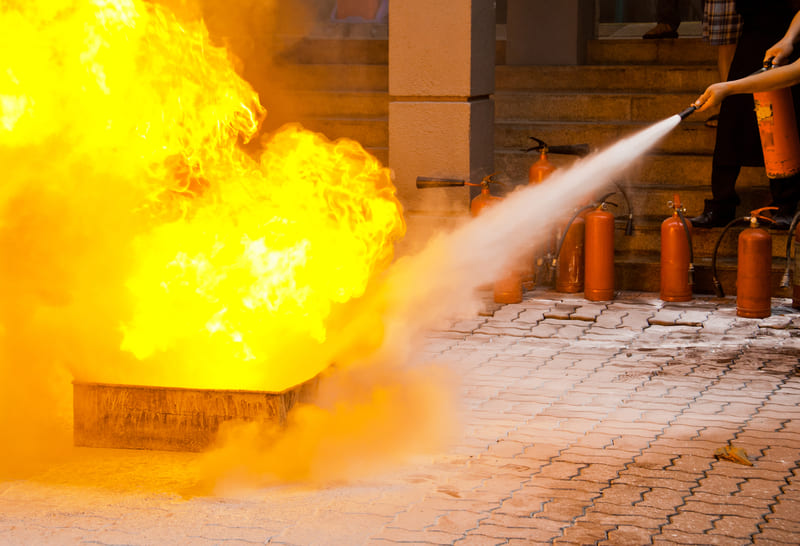
Much of what a firefighter does has to do with tools. You’re likely familiar with fire extinguishers and hoses, but would you know how to use them if the demand was suddenly thrust upon you? Let alone any one of the other less recognisable tools in a firefighter’s arsenal, such as the ABSU or Bresnan cellar nozzle. Hesitation with any kind of firefighting equipment can waste valuable time better spent actually stopping the spread of the flames.
Fire fighting training will therefore spend a significant amount of time teaching you how to use this equipment, including not only theoretical explanations but also practical guides and assessments on each tool that you’ll be expected to use in the suppression of fire. The goal is to eventually make the use of each and every one of these tools feel familiar, allowing for fast action in times of crisis.
Fire Fighting Training As A Means Of Improving Communication And Team Coordination
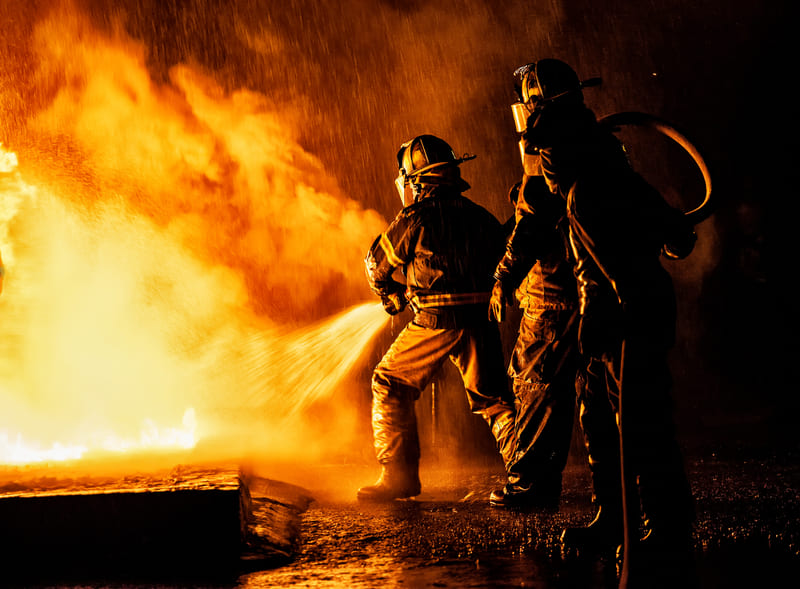
No firefighter works alone. Each individual works as a part of a larger unit bent towards the same goal. It’s also more than likely that most of the people alongside you will each have been assigned their own specific roles in the fire suppression mission. To fight fire effectively, you need to learn how to work together effectively. That means knowing exactly what not only your role is, but also what the roles of your teammates are. You need to understand not only how important it is to communicate, but also how to do so in a firefighting scenario.
There are specific ways that firefighters use to communicate with one another and with external agencies, developed around the usual barriers to communication that come from the nature of a fire scenario. With fire fighting training, you’ll be taught all that you indeed know about communicating and working together as a motivated team, allowing synergy to lead you to success.
Conclusion: Fire Fighting Training Allows Teams To Respond Differently
In conclusion, we can firmly say that prepared teams respond differently – better – to fires than the average group of people. They’re ready for an emergency to drop down in front of them, reacting with speed in high-stress situations, potentially preventing minor issues from growing into major ones. They act with confidence and coordination, operating as a team whose use of tools comes as naturally to them as using household appliances. None of this is the product of some inborn exceptionalism or eureka moment. It’s the outcome of expert fire fighting training as provided by EMCARE. Book your firefighting training course today and take the first steps to become a bastion against fire for your community.