

Fire-related risks can vary significantly across different workplace settings, and in those industries that are high-risk in nature, the consequences of a fire emergency can be severe. Many kinds of facilities, like manufacturing plants, warehouses, construction sites, and even fuel storage depots, often are home to ignition sources, flammable materials, and operational processes that can increase the chances of a fire breaking out.
And in these environments, having to rely solely on basic awareness is just not sufficient. That’s why a structured and comprehensive fire fighting course should be a critical component of workplace safety and readiness, to equip employees with the knowledge and practical skills that are needed in order to respond effectively and safely.
In most fire-related cases, the first responders are usually people who are on site already, as opposed to emergency services, and according to South Africa’s National Disaster Management Centre, today, fire-related emergencies continue to pose significant risks to human life, infrastructure, and business continuity.
Fire fighting courses provides employees with a level of preparedness that combines fire theory with practical instruction and supervised training, and in this EMCARE guide, we’re going to unpack why high-risk workplaces need more than just basic training, what a fire fighting course entails, and when more advanced fire fighting training is necessary.
What Makes A Workplace High Risk For Fires
Certain kinds of workplaces come with a higher risk of fires breaking out, thanks to the nature of their operations, materials, and working conditions. For example, in environments like manufacturing plants, warehouses, construction sites, and facilities that work with fuel or chemicals, several risk factors are at play at the same time.
Risk factors can include heat-generating equipment, complex electrical systems, flammable materials, and confined and complex workspaces. And when combined, these risk factors increase both the chance of ignition and the speed at which a fire can spread when it breaks out.
Simply put, a workplace that is high-risk is not defined by a single hazard, but instead by the interaction of several conditions that can make a fire incident more difficult to control. For instance, goods stored in warehouses can act as fuel, while constant activity on construction sites can introduce constant ignition sources. In these kinds of work settings, having your employees complete a structured fire fighting course is vital, as it will prepare them to accurately identify these risks while responding safely.
Why Is Basic Fire Awareness Training Not Enough?
While basic fire awareness training does play a vital role in helping employees understand fire hazards and prevention methods through key concepts like identifying risks, recognising fire hazards, and understanding safety procedures, in high-risk workplaces, this level of training may not be enough when an actual fire emergency happens.
A proper, structured fire fighting course, like the ones we offer at EMCARE, goes beyond awareness by also focusing on practical response skills. In those environments where fires escalate quickly, employees might have mere seconds to act in order to contain a situation safely, and naturally, this does require more than just theoretical knowledge.
In fact, it will require the person to have the ability to use firefighting equipment correctly, assess whether the fire is actually controllable, and follow structured response procedures under immense pressure.
Additionally, in a high-risk environment, solely relying on awareness training can also lead to hesitation and incorrect or unsafe intervention. Thus, a structured fire fighting course gives individuals the additional training they need to respond effectively within safe limits, making sure that they are better prepared to handle early-stage fires while prioritising evacuation and personal safety.
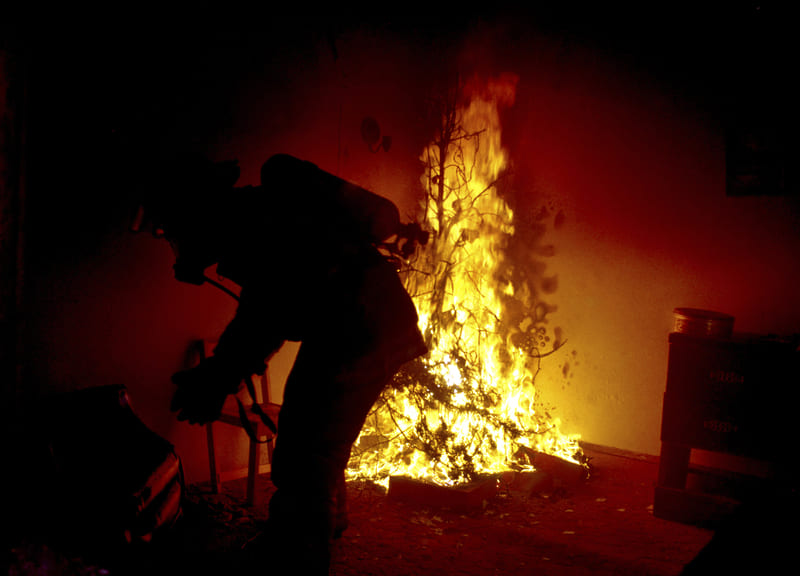
What Does A Fire Fighting Course Teach In High-Risk Environments?
For people working in high-risk workplaces, a fire fighting course is beneficial as it focuses on practical response actions that can be applied safely and immediately during an emergency. As opposed to only covering general awareness, this kind of training is focused on how to respond to early-stage fires using the correct equipment and safety procedures.
At EMCARE, our learners are taught to identify the appropriate extinguisher for the different classes of fires and how to use them correctly in controlled, supervised conditions. The training, which is hands-on, includes proper positioning, application technique, and maintaining safe distances while attempting suppression. Depending on which level course you’re attending, training might also introduce hose and hydrant operations.
At EMCARE, our courses also reinforce structured response procedures, which include raising the alarm, supporting evacuation efforts, and making sure that fire incidents are managed in a controlled, coordinated and safe way.
Advanced Fire Fighting Training For Complex Workplaces
In any workplace that falls under the banner of being high-risk, basic fire fighting training may not be sufficient to manage more complex fire scenarios. Any environment that might involve hazardous materials, large-scale industrial operations, or specialised equipment often comes with risks that go beyond early-stage fire response. In these kinds of settings, more advanced fire training becomes crucial to make sure that employees can respond appropriately within a set of defined procedures.
Advanced firefighting training is also relevant in any facility where you might find flammable substances, pressurised systems, or large-scale processes. Naturally, these conditions can increase both the intensity and spread of fire, which again requires more structured and coordinated responses. Similarly, work environments that already rely on a designated response team will benefit from higher-level training that further supports team-based emergency intervention and the controlled and safe use of firefighting systems.
At EMCARE, we offer a progression of fire fighting modules that gives companies the option of aligning training with their specific risk exposures, and this includes entry-level fire awareness, operational fire fighting or fire marshal training, and of course more advanced programmes for complex workplaces, as well as Fire Fighter I and II training for more specialised roles.
Trained Workplace Fire Responder
An employee who has completed a fire fighting course plays a vital role in the early stages of a workplace fire emergency. Their primary responsibility is to respond quickly and safely before the emergency escalates, utilising their training to assess whether a blaze can be controlled or if evacuation is the safest route. It is this early-stage intervention that can drastically reduce the spread of a fire and limit the potential damage done to the property.
Additionally, trained responders also help support structured evacuation protocols, and in a high-pressure emergency, they are there to help guide occupants toward designated exits, ensure that procedures are followed by all, and reduce any potential panic and confusion that could lead to injuries.
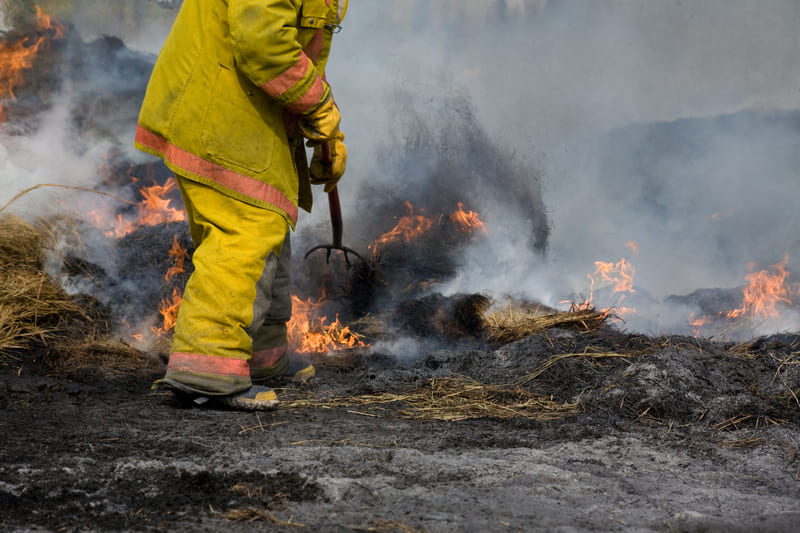
Keep Your Employees Safe With EMCARE
In any high-risk work environment, fire emergencies require much more than basic fire awareness; they actually demand structured and practical response methods. Thus, a fire fighting course gives employees the skills and know-how to act safely, apply correct procedures, and support coordinated emergency response protocols when it matters most.
From having a robust understanding of the various fire risks to using fire suppression equipment safely and correctly, having the right level of training can help prevent fire escalation and protect both human life and operations.
Selecting the appropriate fire fighting course based on your workplace risk profile is a key step in bolstering overall safety within your workplace and compliance. To learn more about our fire fighting course options and to decide on the most suitable training for yourself or your team, head over to the EMCARE website today.