The EMCARE first aid course can be adapted to any environment, at any time and by anyone. However, this article will focus on the unique challenges of the urban environment and how our first aid course teaches and hones the skills necessary to navigate a medical crisis amongst the urban sprawls.
Furthermore, we will discuss how first aid training benefits companies in relation to South African laws regarding labour and safety compliance. EMCARE is a trusted South African name, providing nationwide support for a variety of first response training, including first aid, firefighting, safety officers and more.
Understanding The Urban Emergency Landscape
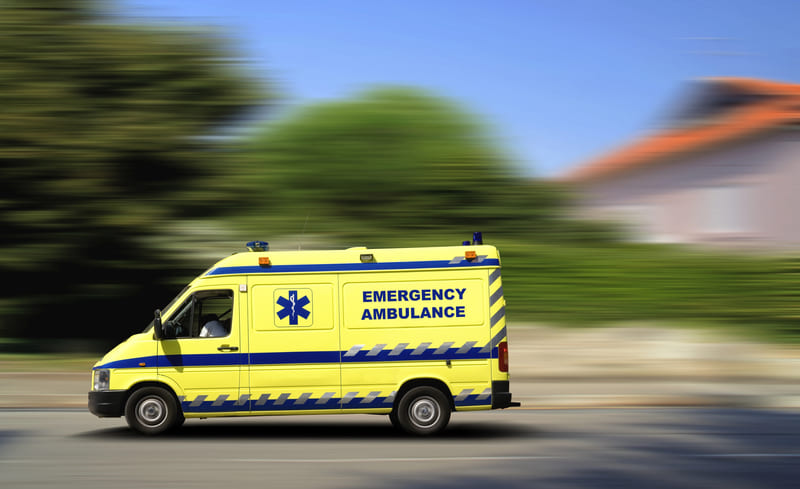
Under no circumstances is administering first aid a straightforward affair; it’s a physically and emotionally demanding task that requires a honed skillset and clear focus. However, in crowded city environments, there are a host of extraneous factors that can make first response duties an even greater challenge, including but not limited to traffic congestion, dense crowds and tight spaces where ambulances can’t reach, or large teams can’t work.
To complicate matters further, simple statistics demand that it is these very scenarios in which medical emergencies are likely to take place. Bring these points together, and it is made absolutely clear that a first aid course is a vitally important tool within an urban environment and is something the residents of any city or town could seriously benefit from. EMCARE can provide you with the skillset you need, whether you want to protect loved ones at home, your fellow workers or other members of the public.
Why Rapid Response Matters
Medical emergencies can happen anywhere, to anyone and at any time. When they do happen, they almost always come as a shock, freezing many bystanders in their tracks. But it is the first few moments after an emergency occurs that are usually the most vital, determining not only the rate of recovery, but even the likelihood of survival. Take a cardiac arrest or severe bleeding case as an example; these crises both happen fast and run their course fast, easily leading to the death of the patient.
A prolonged wait between the onset of the crises and the treatment thereof is ineffectual. The patient can, however, survive if someone is able to leap into action as soon as possible, administering lifesaving treatments such as CPR or a tourniquet. A first aid course will teach one exactly how to perform these treatments and stress the importance of doing so. This will allow one to stabilise the patient until professional medical care arrives and takes over the situation.
Common City Emergencies
As mentioned earlier, simple statistics demand that most medical emergencies occur in urban areas. This is in large part due to the population size of built-up areas, with more people meaning more medical emergencies. Take a crowd of a thousand people, and it’s likely that many people within that group will represent some underlying cardiac, respiratory or other underlying condition, which may flare up at any given moment.
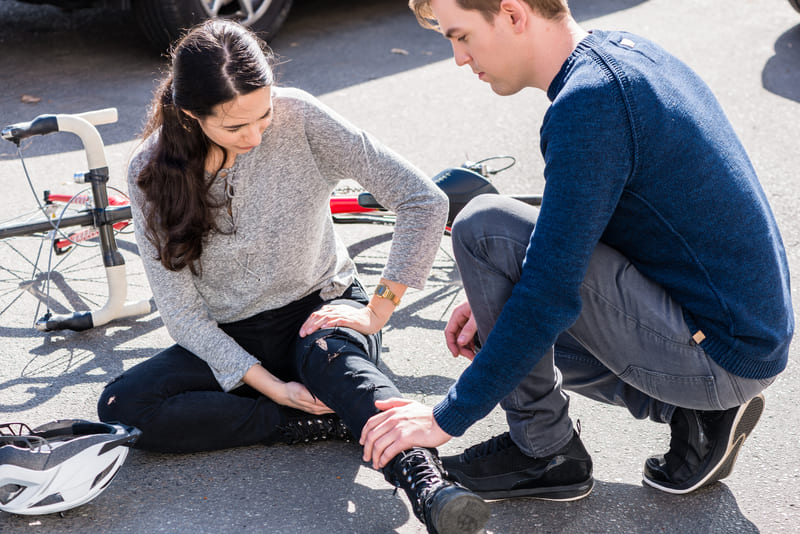
On top of that, though, is the simple fact that urban centres can be dangerous places. Traffic accidents, heat exhaustion, workplace injuries, violent crimes, and electrocution; these are all possible and common emergencies that occur as a direct result of the nature of the urban landscape.
With a first aid course from EMCARE, students aren’t just prepared with theoretical knowledge; they’re also equipped with practical training that helps them prepare for the reality of handling a medical crisis in any environment, including the urban one.
Building Confidence Through A First Aid Course
Involving a strong practical element in first aid training has more benefits than simply giving students the intellectual tools to handle an emergency. It also gives them the emotional tools they need to overcome the natural responses to witnessing and handling a medical crisis: shock, fear, and detachment.
Through hands-on training and regular repetition, students can learn to replace these feelings with a sense of calm and clarity. Not only will this protect them from emotional distress, but it will also allow them to administer first aid with greater efficiency, helping increase the rate of recovery from injuries as well as the chances of survival in severe cases. This emotional skillset is particularly important in urban environments, where crowds, tight spaces and a noisy atmosphere contribute to the stress of a medical crisis scenario.
A First Aid Course For Workplace Safety And Compliance
The first and foremost priority of any first aid course is to teach students how to prevent serious injury and save lives, but that is not to say that there are no other more material benefits that come secondary to first aid training. One of the most salient of these is workplace safety and compliance.
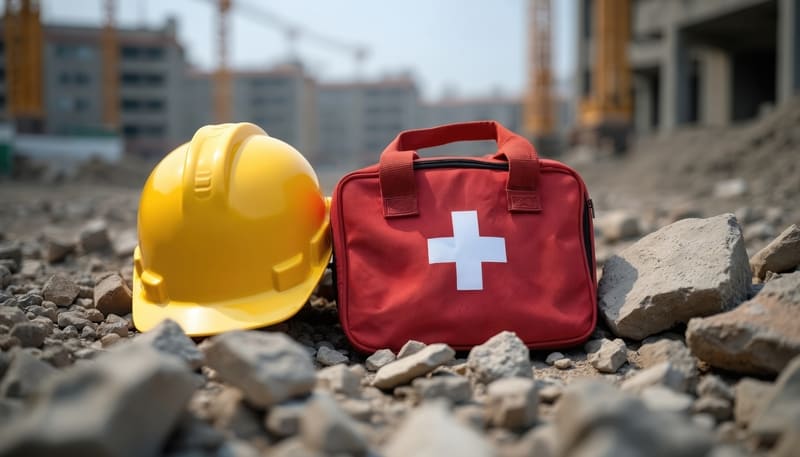
In South Africa, employers are by law required to make the workplace as safe for their employees as possible. One of the most straightforward ways to achieve this is through the distribution of first aid training to workers, empowering the workforce with the ability to respond swiftly and effectively to any accidents or crises within the workplace and beyond. EMCARE is experienced in providing first aid training to both individuals and businesses, making us the ideal choice for companies looking to set their establishment to South African legal standards.
A Conclusion On The Urban First Aid Course
A first aid course is a valuable tool in any environment but can be particularly essential in an urban one. This is where most medical emergencies are likely to occur, considering both the number of people and hazards concentrated within built-up areas. A first aid course will allow ordinary people to become lifesavers, administering essential care in the most crucial first moments of a medical emergency and stabilising the patient until professional help arrives.
In addition to this, students will, through repeated practical training, learn to develop the motivational resilience to overcome a shock response to crisis, instead approaching the situation with a collected and calm attitude. First aid training is one of the best ways for businesses to ensure their establishment is compliant with South African safety laws.